Building a personal brand on social media is an essential endeavor in today’s digital landscape. It allows individuals to showcase their unique value and connect with audiences that resonate with their message. As we delve into this topic, we will explore the various strategies that can help establish a compelling online persona while effectively engaging with your target audience.
From identifying your unique value proposition to leveraging different social media platforms, this guide will provide insights and actionable tips aimed at enhancing your personal brand. We will discuss how to create consistent content and maintain meaningful interactions that foster loyalty and engagement.
Building Your Personal Brand
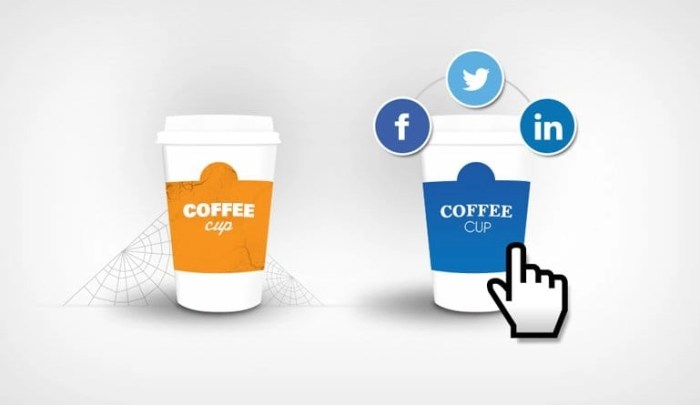
Creating a personal brand on social media is an essential step in establishing a professional identity that resonates with your audience. It allows you to distinguish yourself in a crowded digital landscape, showcasing your unique skills, values, and personality. In this section, we will delve into defining your unique value proposition, identifying your target audience, and maintaining a consistent online persona across various platforms.
Defining Your Unique Value Proposition
Your unique value proposition (UVP) is the core of your brand identity. It articulates what makes you different from others in your field and why people should follow or engage with you. To define your UVP, consider the following steps:
- Identify your strengths and passions: Reflect on what you enjoy doing and what you excel at. This could range from specific skills to broader attributes like creativity or leadership.
- Analyze your competition: Explore other individuals in your niche. What do they offer, and how can you differentiate yourself? Look for gaps that you can fill.
- Understand the needs of your audience: Gauge what your target audience values and what problems they are looking to solve. Tailor your UVP to address these needs.
“Your unique value proposition is not just about what you do; it’s about how you make people feel and the impact you have on their lives.”
Identifying Your Target Audience on Social Media
Understanding who your audience is can enhance your engagement and increase your impact on social media. Identifying your target audience involves several strategic approaches:
- Demographic research: Utilize analytics tools provided by platforms like Instagram and Facebook to gather insights on age, gender, location, and interests of your followers.
- Creating audience personas: Develop detailed profiles of your ideal followers, including their preferences, challenges, and goals. This helps you tailor your content to resonate with them.
- Engaging in community discussions: Participate in relevant forums and groups where your target audience congregates. Pay attention to their conversations to learn more about their interests and concerns.
Crafting a Consistent Online Persona Across Platforms
Consistency is key in building a recognizable personal brand. This involves aligning your messaging, visuals, and engagement style across various social media platforms. Here are effective methods to achieve this:
- Develop a cohesive visual identity: Choose a color palette and typography that reflects your brand’s personality. Use these consistently across your profile images, cover photos, and graphics.
- Standardize your messaging: Establish a tone and voice that you will use in all your communications. This could be professional, casual, or a mix of both, depending on your brand identity.
- Cross-promote your content: Share the same core content across different platforms while tailoring the format to suit each one. For instance, a blog post can become a series of smaller posts or quotes on Twitter.
“Consistency in your online persona builds trust and recognition, helping you stand out in a crowded social media space.”
Leveraging Social Media Platforms
Building a personal brand on social media requires a strategic approach that harnesses the unique features of each platform. Different social media outlets cater to various audiences and content types, which can be leveraged to enhance your brand visibility and engagement. Understanding these nuances allows individuals to effectively communicate their brand identity and connect with their target audience.Each social media platform has its own strengths and user demographics, making it essential to tailor your content accordingly.
By crafting engaging posts, images, or videos that resonate with the audience on each platform, you can significantly boost your brand’s presence. Additionally, maintaining a consistent interaction with your audience not only fosters loyalty but promotes an engaged community around your brand.
Utilizing Facebook for Community Engagement
Facebook serves as a powerful tool for community building and engagement. The platform enables brands to create dedicated pages and groups that cultivate a sense of belonging among followers. To maximize engagement on Facebook, consider the following strategies:
- Utilize Facebook Live to host interactive sessions, allowing real-time communication with your audience.
- Share engaging stories and posts that encourage user interaction through polls, quizzes, and comments.
- Post a mix of content types: videos, images, links, and text updates to keep your feed dynamic and interesting.
By fostering a community atmosphere, you can enhance your brand’s credibility and create loyal followers.
Maximizing Instagram’s Visual Appeal
Instagram thrives on visual content, making it essential for brands to showcase aesthetically pleasing images or videos. The platform’s focus on storytelling through visuals can significantly enhance your personal brand.Key techniques for effective Instagram branding include:
- Maintain a consistent aesthetic by using similar filters and color schemes across your posts.
- Leverage Instagram Stories to share behind-the-scenes glimpses or quick updates, making your brand more relatable.
- Engage with your audience through interactive elements like polls or questions within Stories.
This visual storytelling approach not only captures attention but also fosters deeper connections with your audience.
Engaging on Twitter for Real-Time Conversations
Twitter allows for immediate dialogue, making it a perfect platform for engaging with your audience in real-time. It’s essential to utilize this aspect to build your personal brand.Consider these methods for effective engagement on Twitter:
- Participate in trending topics and relevant hashtags to increase visibility and engagement.
- Respond promptly to mentions and direct messages to show your audience you value their input.
- Share insights, industry news, or tips that position you as a thought leader in your niche.
Through these interactions, you can cultivate a responsive and dynamic online presence.
Creating Content for LinkedIn Professional Networking
LinkedIn is tailored for professional networking, making it an ideal platform for personal branding in a career context. Crafting content that showcases your expertise is crucial here.Effective strategies for LinkedIn include:
- Share insightful articles or blog posts that reflect your professional interests and expertise.
- Engage with your network by commenting on posts or sharing relevant industry news.
- Utilize LinkedIn’s publishing platform to write long-form content that highlights your knowledge and skills.
By positioning yourself as an expert, you can enhance your professional reputation and expand your network.
Building a Community on TikTok
TikTok has rapidly gained popularity as a platform for creative and engaging short videos. Leveraging this platform effectively can elevate your personal brand, especially among younger audiences.To create impactful content on TikTok, consider the following:
- Participate in challenges that align with your brand message to reach a wider audience.
- Utilize trending sounds and effects to make your videos more relatable and shareable.
- Engage with followers through duets and stitches, fostering a sense of community and collaboration.
By tapping into TikTok’s community-driven nature, you can increase your visibility and strengthen your brand connection with followers.
Integrating Marketing Techniques
In the digital landscape, effectively integrating marketing techniques is crucial for building a strong personal brand. This integration not only improves brand visibility but also enhances engagement and connection with your audience. Here, we will explore the essential marketing techniques that can elevate your personal brand to new heights.
Search Engine Marketing and Brand Visibility
Search Engine Marketing (SEM) plays a pivotal role in enhancing brand visibility by ensuring that your personal brand appears prominently in search engine results. This form of marketing includes both paid and organic strategies aimed at increasing your online presence. By investing in SEM, you can reach a targeted audience actively searching for content related to your niche. The effectiveness of SEM can be attributed to its ability to drive qualified traffic to your website or social media profiles.
By utilizing tools like Google Ads and optimization, you can tailor your message to resonate with users’ search intent.
“The best place to hide a dead body is page two of Google.”
The key components of a successful SEM strategy include:
- Research: Identifying the right s that your target audience uses when searching online is fundamental for optimizing your content.
- Ad Campaigns: Creating targeted ad campaigns can significantly increase your visibility, driving traffic and potential followers to your personal brand.
- Analytics: Regularly analyzing performance metrics helps refine your approach and improve your SEM strategy over time.
Effective Video Marketing Strategies
Video marketing is a powerhouse for personal branding, allowing for authentic storytelling and direct engagement with your audience. To resonate with viewers, your video marketing strategies should focus on creating valuable and shareable content. Consider the following effective strategies:
- Storytelling: Craft compelling narratives that reflect your brand’s values and connect emotionally with your audience.
- Short Form Content: Platforms like TikTok and Instagram Reels favor short, engaging videos that capture attention quickly. Aim for impactful and concise messaging.
- Live Streaming: Hosting live sessions allows for real-time interaction with your followers, enhancing community building and trust.
- Educational Content: Sharing tutorials or how-to videos can establish you as an authority in your field and provide value to your audience.
Importance of Web Design and Hosting
Web design and hosting are critical elements in establishing a professional online presence. A well-designed website not only reflects your brand identity but also enhances user experience, making it easier for visitors to navigate and engage with your content. Factors that contribute to effective web design include:
- Responsive Design: Your website must be mobile-friendly to cater to the increasing number of users accessing content from mobile devices.
- Load Speed: A fast-loading website reduces bounce rates and improves user experience, which are vital for retaining visitors.
- Clear Navigation: Organizing your content logically and intuitively helps users find the information they seek quickly.
- Quality Hosting: Opting for a reliable hosting provider ensures your website is always accessible, which is essential for maintaining credibility and trust.
Final Summary
In summary, mastering the art of building a personal brand on social media is about understanding your audience, delivering tailored content, and establishing a strong online presence. By implementing the strategies discussed, you can cultivate a brand that not only stands out but also resonates deeply with your followers, paving the way for long-term success and authenticity in the digital space.
Questions and Answers
What is a personal brand?
A personal brand is the way you present yourself to the world, showcasing your unique skills, passions, and values.
Why is a personal brand important?
A strong personal brand helps you stand out in a crowded market and creates opportunities for professional growth and networking.
How can I identify my target audience?
Identify your target audience by analyzing who would be interested in your content, their demographics, and their interests.
What platforms are best for personal branding?
Platforms like Instagram, LinkedIn, Twitter, and Facebook are great for personal branding, depending on your target audience and content style.
How can I maintain consistency across platforms?
Develop a cohesive visual style and voice, and use similar messaging across all platforms to maintain consistency.