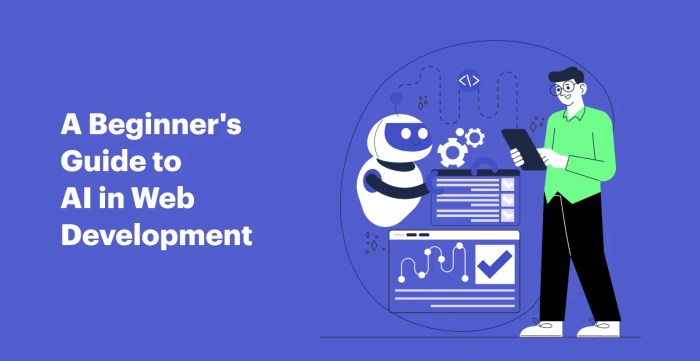
AI in web development tools Enhancing Productivity and Security

AI in web development tools

AI in web development tools is revolutionizing how developers approach their projects, blending creativity with cutting-edge technology. These tools not only streamline the development process but also enhance functionality and security, making web applications more efficient and user-friendly.

With a variety of AI-driven solutions available, developers can leverage advanced features that automate mundane tasks, optimize user experiences, and significantly reduce development time. This transformation is paving the way for a new era in web development, where innovation meets practicality.

AI in Web Development Tools

AI in web development tools

The advent of artificial intelligence has significantly transformed various sectors, and web development is no exception. With the introduction of AI-driven tools, developers are now equipped with advanced functionalities that streamline processes, enhance creativity, and improve overall efficiency. These tools offer features that automate repetitive tasks, optimize coding practices, and even provide intelligent suggestions, allowing developers to focus on more strategic aspects of their projects.AI-powered web development tools are designed to address the unique challenges developers face, such as time constraints and the complexity of modern web applications.

These tools leverage machine learning and data analysis to predict user behavior, facilitate real-time collaboration, and ensure optimal performance. Below are some of the most popular AI-driven web development tools currently available in the market.

Popular AI-Driven Web Development Tools

The landscape of AI tools for web development is diverse, with several prominent options available. Here are some notable ones:

  • GitHub Copilot: An AI pair programmer that helps developers by suggesting lines of code or entire functions based on the context of existing code. This drastically reduces the time spent on writing boilerplate code.
  • Figma: While primarily a design tool, Figma incorporates AI features to enhance collaboration and streamline the design-to-development workflow, making it easier for teams to produce high-quality web applications.
  • WordPress Plugins: Several plugins leverage AI to enhance functionality. For instance, plugins that optimize , automate content generation, or personalize user experiences based on behavior analysis.
  • Kami: Beyond just conversational AI, Kami can assist developers in generating code snippets, debugging, and providing documentation support in real-time, significantly speeding up development time.

These tools not only improve the development process but also empower developers to create more innovative and user-centric web applications.

Enhancing Productivity and Efficiency

The integration of AI in web development tools yields substantial benefits in productivity and efficiency. By automating mundane and repetitive tasks, developers can allocate more time to complex problem-solving and creative endeavors. Here are some ways AI enhances productivity:

  • Code Suggestions: AI tools like GitHub Copilot provide intelligent suggestions that help developers write code faster and with fewer errors, reducing the time taken for code reviews and troubleshooting.
  • Automated Testing: AI-driven testing tools can simulate user interactions, ensuring applications function as intended under various conditions, thereby accelerating the deployment phase.
  • Performance Optimization: AI can analyze data usage patterns and user behavior, allowing developers to optimize web applications for speed and responsiveness based on actual usage, ensuring a seamless user experience.
  • Error Detection: AI tools can identify potential bugs or security vulnerabilities in code before they escalate, which not only saves time but also enhances security and reliability.

The incorporation of these features leads to a more effective workflow, allowing developers to deliver high-quality applications in shorter timeframes. The impact of AI on web development tools continues to evolve, making it an essential aspect of modern web development practices.

Integration of AI in Digital Marketing

The integration of Artificial Intelligence (AI) into digital marketing is transforming the way businesses reach and engage their customers. With AI, marketers can leverage data-driven insights to enhance strategies, streamline processes, and ultimately drive better results. This technology not only optimizes existing marketing tactics but also opens up new avenues for creativity and audience engagement.

Role of AI in Search Engine Marketing Strategies

AI plays a pivotal role in search engine marketing (SEM) by improving targeting, bidding strategies, and ad relevance. Marketers can use AI algorithms to analyze vast amounts of data, enabling them to identify patterns in consumer behavior and search trends. This allows for more precise targeting and ad placements.

  • Automated Bidding: AI can automate the bidding process in real-time, adjusting bids based on competition, user behavior, and ad performance. For instance, Google Ads utilizes machine learning to optimize bids for conversion, ensuring advertisers get maximum return on investment.
  • Ad Creation and Optimization: AI tools can analyze ad performance metrics and suggest variations to enhance effectiveness. By assessing which headlines, descriptions, and visuals perform best, marketers can continuously refine their campaigns.
  • Predictive Analytics: Using AI for predictive analytics helps marketers forecast future trends and consumer behaviors. For example, AI models can analyze historical data to predict which s will gain traction, allowing businesses to adapt their strategies accordingly.

Utilization of AI to Improve Social Media Marketing Efforts

Social media marketing benefits greatly from AI, which can enhance content strategies and customer engagement. AI tools can analyze user interactions, providing valuable insights into audience preferences and behavior.

  • Content Personalization: AI algorithms can tailor content to individual users based on their past interactions and preferences. This can significantly boost engagement rates, as personalized content resonates more with users.
  • Sentiment Analysis: AI can analyze social media conversations to gauge public sentiment about a brand, product, or campaign. By understanding how users feel, marketers can adjust their messaging and strategies to align with audience sentiment.
  • Chatbots for Customer Support: Implementing AI-powered chatbots can enhance customer service on social media platforms, providing 24/7 support and handling inquiries efficiently. This allows brands to maintain engagement without requiring constant human oversight.

AI Optimization of Video Marketing Campaigns

Video marketing is increasingly vital, and AI has the capability to enhance its effectiveness. With the rise of video content across platforms, AI tools can analyze viewer engagement metrics and optimize video performance.

  • Content Analysis: AI can analyze video content to identify the most engaging segments. Insights from this analysis can help marketers create future videos that align with viewer preferences, leading to higher retention rates.
  • Automated Editing: AI tools can assist in the editing process by suggesting cuts, transitions, and effects based on best practices and audience engagement data. This not only saves time but also results in polished, professional content.
  • Targeting and Distribution: AI algorithms can optimize the distribution of video content across platforms, ensuring it reaches the right audience at the right time. For example, machine learning models can determine the optimal time to post for maximum visibility and interaction.

Enhancing Web Security and Promotion with AI

AI in web development tools

AI technologies are transforming how websites operate, particularly in the realm of security and promotional strategies. With the increasing complexity of cyber threats, integrating AI into web security not only secures user data but also enhances overall trust in the online ecosystem. Moreover, AI-driven promotional strategies are reshaping the digital marketing landscape, making it more efficient and targeted.AI can play a crucial role in bolstering internet security measures for websites.

By leveraging machine learning algorithms, AI can analyze vast amounts of data to detect and respond to threats in real-time. For example, AI can identify unusual patterns in user behavior or traffic that may indicate a potential cyber attack. This proactive approach allows businesses to mitigate risks before they escalate into significant issues.

Application of AI in Spam Blocking and Content Moderation

AI technologies are essential in managing spam and moderating content on websites. The application of AI in these areas ensures that users experience a cleaner, more engaging online environment. Among the primary advantages are:

Real-time Analysis

AI can swiftly analyze incoming messages and comments, distinguishing between legitimate interactions and spam content. This capability is crucial for maintaining the integrity of user-generated content on forums and social media platforms.

Adaptive Learning

AI systems can learn from previous spam patterns, continuously improving their detection algorithms. For instance, if new spam tactics emerge, AI can adapt by recognizing and countering these evolving threats.

Automated Moderation

AI can automatically flag or remove inappropriate content, enhancing website safety and user experience. This is especially important for platforms that host a vast amount of user-generated content, such as blogs or community forums.

Sentiment Analysis

By assessing the sentiment of comments and messages, AI can help identify potential issues before they escalate, allowing for timely intervention.

Comparison of Traditional Website Promotion Methods Versus AI-Enhanced Strategies

When it comes to website promotion, AI-enhanced strategies offer a significant advantage over traditional methods. Below is a comparison that highlights the key differences:| Aspect | Traditional Methods | AI-Enhanced Strategies ||—————————|———————————————|——————————————–|| Targeting | Broad audience targeting | Precise audience segmentation || Data Analysis | Manual data analysis | Automated, real-time data insights || Content Personalization | Generic content delivery | Tailored content based on user behavior || Campaign Optimization | Static, inflexible campaigns | Dynamic, adaptive campaigns || ROI Measurement | Delayed feedback and results | Immediate performance tracking and adjustment|Traditional methods often relied on broad approaches and static content that did not adapt to user behavior, which could lead to wasted resources and effort.

In contrast, AI-enhanced strategies utilize advanced data analytics and machine learning to deliver personalized experiences, optimize marketing campaigns in real-time, and ultimately drive higher engagement and conversion rates.Incorporating AI into both security measures and promotional strategies not only enhances the functionality and safety of websites but also ensures that users are met with a more tailored and engaging experience. As AI continues to evolve, its role in web development will undoubtedly expand, leading to more innovative solutions to address the challenges faced in online environments.

Concluding Remarks

In conclusion, AI in web development tools is not just a trend but a fundamental shift that is reshaping the industry. By integrating these tools into their workflows, developers can focus more on creative problem-solving and less on repetitive tasks, ultimately leading to more secure and robust web solutions.

Key Questions Answered

What are some popular AI tools for web development?

Popular AI tools include GitHub Copilot, Wix ADI, and Bookmark, which assist in coding, design, and content creation.

How can AI improve web security?

AI enhances web security by identifying vulnerabilities, detecting anomalies in real-time, and automating threat responses.

Can AI tools replace developers?

No, AI tools are designed to assist developers, not replace them, by automating routine tasks and enhancing productivity.

How does AI improve user experience in web development?

AI improves user experience through personalization, predictive analytics, and real-time data analysis to cater to user needs effectively.

What role does AI play in website promotion?

AI assists in optimizing strategies and automating marketing campaigns, helping target the right audience and improve engagement.

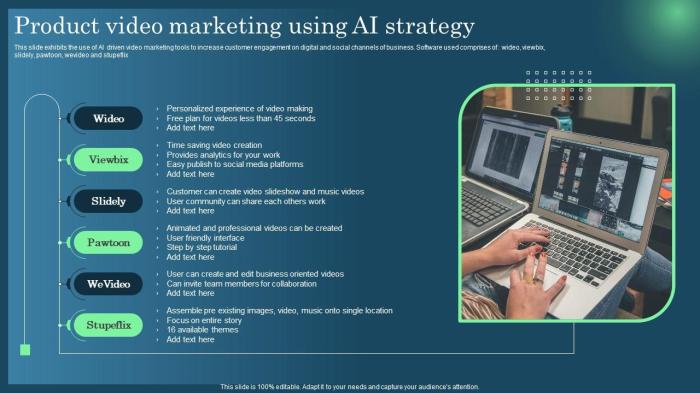
Using AI to create marketing videos Enhanced Strategies

Using AI to create marketing videos

Using AI to create marketing videos opens up a world of innovative possibilities that can elevate your marketing strategy. As the digital landscape evolves, integrating artificial intelligence into video production not only streamlines the creative process but also enhances engagement with your target audience. In this exploration, we’ll delve into how AI technologies can transform video marketing, making it more efficient and impactful.

From cutting-edge tools that simplify the creation of stunning visuals to algorithms that analyze viewer behavior, AI is changing the game for marketers. With examples of successful campaigns leveraging AI-generated content, we’ll see how businesses are effectively utilizing these advanced technologies to capture attention and drive results.

Using AI in Video Marketing

The integration of artificial intelligence (AI) in video marketing has revolutionized how brands create, distribute, and analyze their marketing content. AI not only streamlines the video production process but also enhances the personalization and targeting of video campaigns, making them more effective in reaching specific audiences. As businesses seek innovative methods to engage consumers, AI stands out as a powerful tool transforming video marketing into a more dynamic, data-driven practice.AI plays a crucial role in enhancing video marketing strategies by automating various aspects of video creation and distribution.

From scriptwriting and video editing to audience analysis and performance tracking, AI tools help marketers save time and resources while producing high-quality content. These tools utilize machine learning algorithms to analyze viewer preferences, optimize video formats, and deliver personalized recommendations. The result is a more tailored viewing experience that resonates with audiences and boosts engagement rates.

AI Tools for Creating Marketing Videos

A variety of AI tools are available for marketers aiming to enhance their video content. These tools facilitate the entire video production process, from ideation to execution. Below are some notable AI-powered tools that are making a significant impact in the marketing landscape:

  • Wibbitz: This tool enables marketers to create short-form videos quickly by transforming text content into engaging video summaries. Wibbitz utilizes AI to select relevant images, videos, and music, ensuring a professional look with minimal effort.
  • Promo: Promo leverages AI to help marketers create promotional videos using customizable templates. The platform provides access to a vast library of stock footage and allows users to add text overlays and music to enhance their messaging.
  • Lumen5: Lumen5 is designed for content marketers looking to convert blog posts into videos. It uses AI to suggest visuals and format the content, making the process faster and more efficient.
  • Magisto: This AI-driven video editing tool allows users to create polished marketing videos by analyzing uploaded footage and automatically editing it to fit a selected style. Magisto’s AI can identify the most engaging segments of video footage, resulting in compelling marketing content.

Successful marketing campaigns have effectively utilized AI-generated videos to achieve impressive results. A notable example is the campaign by BMW, which employed AI to analyze customer data and preferences, allowing them to create highly personalized video advertisements. By tailoring video content to specific viewer segments, BMW significantly increased viewer engagement and conversion rates.Another successful instance is Coca-Cola, which used AI to produce short animated videos for their social media channels.

These videos were generated based on trending topics and user-generated content, leading to higher interaction rates and brand visibility in a crowded marketplace.

“The future of marketing lies in personalization, and AI is the key to achieving that goal.”

As brands increasingly turn to AI for video marketing, the technology is set to become an integral part of their promotional strategies, shaping the future of how we connect with consumers.

Integrating AI with Social Media

Using AI to create marketing videos

Utilizing AI in social media marketing has transformed how brands connect with their audiences. With AI-generated videos, businesses can create engaging content that resonates with users, enhances brand visibility, and drives conversions. This integration can streamline marketing efforts across various platforms, making video content not just a trend but a necessity in digital marketing strategies.AI-generated videos can be seamlessly utilized in social media marketing campaigns through several innovative methods.

These methods enhance audience engagement and optimize content for specific platforms. AI tools can analyze user behavior and preferences, allowing brands to tailor their video content for maximum impact. Examples include personalized video ads that respond to user interactions and AI-generated video summaries that cater to different social media formats.

Utilization of AI-Created Videos in Social Media Campaigns

The use of AI-created videos in social media is not just about producing content but strategically crafting it to fit various platforms. Here are key methods for integrating such videos into campaigns:

  • Targeted Ad Campaigns: Leverage AI to create personalized video ads based on user data, ensuring relevance and increasing engagement rates.
  • Content Curation: Use AI tools to analyze trending topics and create videos that are timely and relevant, enhancing shareability.
  • Automated Highlights: AI can generate highlight reels from longer videos, making it easier for users to consume content quickly, especially on platforms like Instagram and TikTok.
  • Performance Tracking: AI algorithms can track video performance across platforms, providing insights that help refine future video content strategies.

Popular Platforms Benefiting from AI-Generated Video Content

Several social media platforms stand out when it comes to the utilization of AI-generated video content. These platforms not only support video formats but also enhance user engagement through intelligent algorithms. Notable platforms include:

  • Facebook: With its vast user base, AI-generated videos can help brands create targeted ads and engaging stories that capture user attention.
  • Instagram: Short, eye-catching AI videos can thrive in feeds, stories, and reels, appealing to younger audiences who favor quick content consumption.
  • TikTok: The platform thrives on creative, entertaining videos, and AI can assist in generating unique content that aligns with trending challenges.
  • YouTube: AI can optimize video recommendations, ensuring that well-crafted content reaches the right audience effectively.

AI Analysis of Social Media Trends for Video Optimization

AI’s ability to analyze social media trends plays a crucial role in optimizing video content. This analysis involves gathering data from various sources, including user engagement metrics, trending topics, and platform-specific algorithms. The following points detail how AI can enhance video content creation:

  • Trend Identification: AI tools can identify emerging trends in real-time, allowing brands to create relevant videos that align with current interests.
  • Sentiment Analysis: By analyzing user comments and reactions, AI can provide insights into audience sentiments, guiding brands on how to adjust their messages.
  • Content Performance Prediction: AI can predict which types of video content are likely to perform best based on historical data, helping in content planning.
  • Engagement Optimization: AI tools can suggest optimal video lengths, styles, and times for posting, maximizing viewer engagement based on analyzed user behavior.

The Impact of AI on Web Design and Development

Using AI to create marketing videos

The integration of AI into web design and development signifies a transformative shift in how websites are conceived, built, and maintained. AI-generated videos, in particular, have emerged as a dynamic tool that not only enhances user engagement but also streamlines the design process. As teams leverage AI to produce compelling video content, they are able to focus on high-level design strategies rather than getting bogged down in repetitive tasks.AI-generated videos play a critical role in web design projects by providing rich media that can convey complex ideas effectively.

These videos can be tailored to the brand’s voice and audience preferences, delivering personalized experiences that boost visitor retention. By employing AI to automate video production, designers can quickly iterate on concepts, allowing for a more agile and responsive design process.

Guidelines for Integrating AI Video Content into Website Development

Integrating AI video content into website development requires careful planning to ensure that the final product aligns with both user experience and technical requirements. Below are guidelines to effectively incorporate AI videos into web projects:

1. Define Purpose and Goals

Clearly Artikel the objectives of using AI-generated videos. This could include marketing campaigns, educational content, or product demonstrations.

2. Choose the Right Tools

Select AI tools that align with your needs, such as video editing software that offers automation features and user-friendly interfaces.

3. Optimize Video Format

Decide on suitable video formats (like MP4 or WebM) that are compatible across different browsers and devices.

4. Implement Best Practices

Use meaningful titles, descriptions, and s for videos to enhance search engine visibility.

5. Assess Loading Times

Ensure that videos are optimized for fast loading to improve user experience and reduce bounce rates.

6. Maintain Brand Consistency

Ensure that the style, tone, and messaging of the AI-generated videos are consistent with the overall brand identity.

Importance of Responsive Design for Video Content on Various Devices

Responsive design is essential when incorporating video content into websites, as it ensures that videos display correctly across a range of device sizes and resolutions. With an increasing number of users accessing websites via mobile devices, it’s vital that video content adapts accordingly. Below are essential aspects to consider for responsive video design:

Fluid Layouts

Design videos with a fluid layout that adjusts to different screen sizes. This involves using percentage-based widths instead of fixed dimensions.

Aspect Ratio Management

Maintain the aspect ratio of videos to prevent distortion on various devices. Implement CSS techniques to ensure videos resize proportionally.

Testing Across Devices

Routinely test video content on multiple devices and screen sizes to identify any issues related to playback or loading.

Accessibility Considerations

Ensure that video content is accessible, including captions and transcripts, to cater to diverse user needs.

“Responsive design is not just a trend; it’s a necessity for an increasingly mobile world.”

By adhering to these guidelines and principles, web design and development teams can harness the power of AI-generated videos to create compelling, user-friendly websites that engage audiences effectively across various platforms.

Summary

In conclusion, Using AI to create marketing videos is not just a trend; it’s a pivotal shift in how brands communicate with their audiences. By embracing AI, marketers can produce high-quality content that resonates with viewers while optimizing their strategies based on data-driven insights. As we look to the future, the integration of AI will undoubtedly continue to redefine the landscape of video marketing, making it an essential tool for any forward-thinking business.

FAQ

What are the benefits of using AI in video marketing?

AI enhances efficiency, improves content personalization, and provides data insights to optimize marketing strategies.

Can AI-generated videos replace traditional video production?

While AI can streamline production, it works best in conjunction with human creativity for optimal results.

How can AI analyze social media trends for video content?

AI algorithms can track viewer engagement and preferences, enabling marketers to create relevant and timely video content.

What tools are available for creating AI-generated marketing videos?

There are various tools like Lumen5, InVideo, and Synthesia that help create engaging AI-driven video content.

Is AI video content suitable for all types of businesses?

Yes, AI video content can be tailored to suit different industries and marketing objectives, making it versatile.