Reseller hosting business opportunities for growth

Reseller hosting business opportunities

Kicking off with Reseller hosting business opportunities, this field is increasingly gaining traction as more entrepreneurs seek to carve out their niche in the digital landscape. With the rise of online businesses, reseller hosting presents a lucrative opportunity to not only provide web hosting services but also to bundle additional offerings like domain registration and SSL certificates, driving multiple revenue streams.

Understanding the significance of reseller hosting is crucial for both new and experienced business owners. By tapping into effective marketing strategies, ensuring robust security measures, and delivering exceptional user experiences, one can establish a trusted hosting platform that stands out in a competitive market.

Understanding Reseller Hosting
Reseller hosting business opportunities

Reseller hosting presents a unique opportunity for individuals and businesses to tap into the lucrative world of web hosting without the need for extensive technical knowledge or infrastructure. By leveraging existing hosting resources, resellers can create their own hosting brand and provide services to clients at competitive prices.Reseller hosting is a service where an individual or business purchases hosting services from a larger provider and then sells those services to their own customers, typically under their own brand name.

This model is significant in the online business landscape as it allows entrepreneurs to enter the web hosting market without hefty initial investments in technology or data centers. This accessibility paves the way for various revenue streams, including monthly subscription fees from customers and upselling additional services.

Potential Revenue Streams in Reseller Hosting

The reseller hosting business model opens up multiple avenues for generating income. Here are some key revenue streams to consider:

  • Monthly Subscription Fees: Resellers can charge customers a recurring fee for hosting services, creating a stable income source.
  • Setup Fees: Initial charges for setting up hosting accounts can provide immediate cash flow.
  • Overage Charges: Customers exceeding their allocated resources may incur additional fees, boosting profits.
  • Value-Added Services: Offering services like website development or maintenance can enhance revenue.
  • Affiliate Programs: Partnering with software providers and earning commissions for referrals can supplement income.

Incorporating these revenue streams allows resellers to maximize their earnings while providing value to their clients.

Benefits of Offering Additional Services

Providing extra services alongside hosting can significantly enhance a reseller’s appeal and profitability. By bundling offerings, resellers can attract a wider range of customers. The following are crucial additional services that can be offered:

  • Domain Registration: Resellers can offer domain name registration, making it a one-stop shop for customers looking to establish an online presence.
  • SSL Certificates: Providing SSL certificates ensures customer websites are secure, gaining trust and potentially increasing sales for clients.
  • Email Hosting: Reseller packages can include email hosting, allowing businesses to maintain professional communication.
  • Website Builders: Simplifying the website creation process can attract customers who prefer a hands-on approach without technical complications.
  • Technical Support Services: Offering dedicated support enhances customer satisfaction and loyalty, encouraging renewals and referrals.

These additional services not only generate more revenue but also enhance client retention by fostering a comprehensive service environment.

In the reseller hosting industry, the ability to provide a broad range of services sets successful businesses apart from the competition.

Marketing Strategies for Reseller Hosting

In the competitive landscape of reseller hosting, effective marketing strategies are crucial for attracting potential clients and establishing a strong brand presence. This section dives into various approaches that can enhance visibility and drive sales for reseller hosting services, focusing on search engine marketing, social media promotion, and successful video marketing campaigns.

Effective Search Engine Marketing Strategies

Search engine marketing (SEM) plays a vital role in reaching potential customers actively searching for hosting services. By leveraging targeted s, businesses can enhance their visibility on search engines and attract the right audience. The following strategies can be implemented to optimize SEM efforts:

  • Research: Utilize tools such as Google Planner to identify high-traffic s relevant to reseller hosting services. This helps in creating targeted ad campaigns that resonate with user intent.
  • Pay-Per-Click (PPC) Advertising: Invest in PPC campaigns on platforms like Google Ads. Craft compelling ad copies and utilize ad extensions to highlight key features and offers, enhancing click-through rates.
  • Remarketing Strategies: Implement remarketing techniques to re-engage visitors who didn’t convert initially. Tailor ads based on their previous interactions with your website to encourage conversions.
  • Landing Page Optimization: Design landing pages that focus specifically on your reseller hosting offerings. Ensure they are optimized for conversions with clear calls to action and valuable content to keep visitors engaged.

Effective SEM can significantly improve lead generation and conversion rates, leading to increased sales.

Social Media Promotion Targeting Potential Clients

Social media platforms serve as powerful tools for promoting reseller hosting services and engaging with potential customers. By creating a strong social media presence, businesses can build brand awareness and foster customer relationships. Consider the following methods for effective promotion:

  • Content Sharing: Share informative content, including blogs and infographics, that addresses common pain points related to hosting. This positions your brand as an industry leader and drives traffic to your website.
  • Targeted Ads: Use social media advertising on platforms like Facebook and Instagram, utilizing precise targeting options to reach potential resellers based on demographics and interests.
  • Community Engagement: Actively participate in relevant online communities and forums. Providing valuable insights and answering questions can help in building trust and establishing credibility.
  • Influencer Collaborations: Partner with influencers in the web hosting space to expand your reach. Their endorsement can lend credibility and introduce your offerings to a broader audience.

Social media is not just a promotional tool; it’s a platform for building relationships and engaging with your audience.

Successful Video Marketing Campaigns

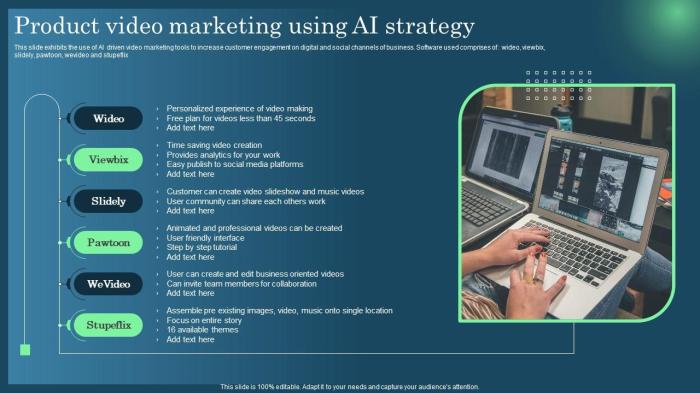
Video marketing has become an essential tool for showcasing reseller hosting services. Engaging video content can effectively demonstrate the features and benefits of your offerings while capturing the attention of potential customers. Here are some notable examples and strategies:

  • Tutorial Videos: Create step-by-step guides that walk potential resellers through the process of setting up their hosting accounts. This not only aids in understanding your service but also highlights user-friendly features.
  • Customer Testimonials: Develop video testimonials featuring satisfied clients sharing their positive experiences. This builds trust and authenticity, encouraging new customers to consider your services.
  • Live Webinars: Host live sessions that provide valuable insights into the reseller hosting business. Topics can include marketing strategies, technical support, and industry trends, attracting aspiring resellers.
  • Promotional Videos: Produce engaging promotional videos that Artikel the key benefits of your hosting solutions. Use dynamic visuals and clear messaging to captivate your audience and drive interest.

Video marketing can significantly enhance user engagement, providing a compelling way to showcase your services and connect with potential clients.

Building a Secure and Reliable Hosting Platform

Reseller hosting business opportunities

In today’s digital landscape, establishing a secure and reliable hosting platform is paramount for resellers aiming to provide excellent service to their clients. The security measures implemented not only protect sensitive data but also build trust with customers. Additionally, a reliable hosting platform enhances user experience, which can lead to increased customer satisfaction and retention.

Essential Security Measures for Reseller Hosting

Implementing strong security measures is crucial in a reseller hosting environment to safeguard against cyber threats and ensure the integrity of client data. Here are some critical security measures to consider:

  • SSL Certificates: Offering SSL certificates helps encrypt data transmitted between users and servers, providing a secure connection that protects sensitive information.
  • Firewalls: Utilizing firewalls helps monitor incoming and outgoing traffic, blocking suspicious activities that could compromise server security.
  • Regular Software Updates: Keeping server software and applications up to date prevents vulnerabilities that hackers could exploit.
  • Data Backup Solutions: Implementing regular backups ensures that data can be restored quickly in the event of a breach or hardware failure.
  • Intrusion Detection Systems: These systems monitor network traffic for malicious activities or policy violations, providing alerts for potential threats.

Best Practices for Web Design and Development

The design and development of hosting sites play a significant role in enhancing user experience. A well-structured site can lead to improved navigation and higher customer satisfaction. Here are some best practices to follow:

  • Responsive Design: Ensuring that the hosting site is mobile-friendly improves accessibility for users on various devices.
  • Intuitive Navigation: A logical structure with clear categories allows users to find information quickly, reducing frustration.
  • Fast Load Times: Optimizing site speed through image compression and efficient coding leads to better user retention.
  • Clear Call-to-Actions: Incorporating prominent buttons or links guides users toward desired actions, such as signing up or contacting support.
  • Engaging Content: Providing valuable information and resources keeps users engaged and encourages them to return.

Importance of Spam Blockers and Data Protection Strategies

Spam blockers and comprehensive data protection strategies are essential components of a reliable hosting platform. They help maintain service quality and protect clients from unwanted disruptions. Implementing effective measures in these areas can significantly enhance the overall service offering:

  • Spam Filters: Utilizing advanced spam filters helps prevent unwanted emails from reaching clients, maintaining their inboxes free from clutter.
  • Data Encryption: Employing encryption techniques ensures that sensitive data is protected both in transit and at rest, enhancing client trust.
  • GDPR Compliance: Adopting strategies that align with data protection regulations, like GDPR, safeguards client data and mitigates legal risks.
  • Regular Security Audits: Conducting routine audits identifies vulnerabilities and ensures that security measures are effective and up to date.
  • Client Education: Providing guidance on best practices for password security and recognizing phishing attempts empowers clients to protect their own data.

Ending Remarks

In summary, exploring reseller hosting business opportunities reveals a pathway filled with potential rewards for those willing to invest the time and effort. By leveraging strong marketing techniques and prioritizing client satisfaction through reliable services, entrepreneurs can build a successful hosting venture that not only meets current demands but also adapts to future trends.

FAQ Explained

What is reseller hosting?

Reseller hosting allows individuals or businesses to purchase hosting services in bulk and sell them to their clients under their brand.

How can I market my reseller hosting services?

Effective marketing can include search engine optimization, social media campaigns, and video marketing to reach potential clients.

What additional services can I offer with reseller hosting?

Alongside hosting, you can offer domain registration, SSL certificates, website design, and maintenance services.

What are the key security measures for reseller hosting?

Implementing strong firewalls, regular software updates, and spam protection are essential for maintaining a secure hosting environment.

How do I ensure a good user experience on my hosting site?

Focus on intuitive web design, fast loading times, and reliable customer support to enhance user satisfaction.


Web development trends 2025 Innovating the Future

Web development trends 2025

As Web development trends 2025 takes center stage, the landscape of digital experiences is poised for a significant transformation. With emerging technologies like AI and machine learning, the way we build and interact with websites is evolving rapidly. In this exploration, we will delve into the advancements that promise to redefine user experience, enhance accessibility, and integrate seamlessly with digital marketing strategies.

From the rise of Progressive Web Apps to the essential nature of responsive design, the developments on the horizon present both challenges and opportunities for web developers. Understanding these trends is crucial for creating engaging and efficient platforms that meet the demands of today’s users.

Emerging Technologies in Web Development

As we look ahead to 2025, the web development landscape is undergoing a significant transformation driven by emerging technologies. With the integration of artificial intelligence, machine learning, and advancements in progressive web applications, developers are poised to create more dynamic and interactive experiences. These technologies not only enhance user engagement but also streamline development processes, making them crucial for the future of web development.

Impact of AI and Machine Learning on Web Development

Artificial intelligence and machine learning are revolutionizing web development by enabling personalized user experiences and automating various aspects of development. By analyzing user behavior and preferences, AI algorithms can provide tailored content recommendations, thereby increasing user retention and satisfaction. Additionally, machine learning can optimize website performance through predictive analytics, enabling developers to address potential issues before they affect users.For instance, AI-driven chatbots are becoming commonplace on websites, providing real-time customer support and guidance, which enhances user interaction without increasing personnel costs.

Furthermore, tools like GitHub Copilot leverage machine learning to assist developers by suggesting code snippets and optimizing workflows, ultimately speeding up the development process.

Role of Progressive Web Apps (PWAs) in Enhancing User Experience

Progressive Web Apps represent a significant advancement in web technology, providing a seamless user experience that combines the best of web and mobile applications. PWAs are designed to be reliable, fast, and engaging, functioning well even in low connectivity environments. They leverage service workers to cache resources, ensuring that applications load quickly and efficiently, regardless of network conditions.The importance of PWAs can be highlighted through some key features:

  • Offline Capabilities: PWAs allow users to interact with the application without an internet connection, thanks to cached data.
  • Responsive Design: PWAs adapt to various screen sizes and orientations, providing a consistent experience across devices.
  • Push Notifications: These applications can send timely updates and alerts, keeping users engaged and informed.
  • Home Screen Installation: Users can install PWAs on their devices, creating an app-like experience without going through app stores.

The combination of these features enables businesses to reach a broader audience and improve customer engagement, leading to increased conversions.

Advancements in Web Frameworks and Libraries Shaping Development Trends

The evolution of web frameworks and libraries continues to play a pivotal role in shaping development trends. Frameworks like React, Vue.js, and Angular are consistently advancing to meet the demands of modern development practices, emphasizing speed, modularity, and scalability. These tools facilitate the creation of complex user interfaces with less code, allowing developers to focus on functionality and user experience.In 2025, frameworks are expected to incorporate more built-in features, reducing the need for external libraries.

For example, React’s introduction of React Server Components allows developers to build applications that can send fully rendered HTML to the client, significantly improving loading times and overall performance. Similarly, Vue 3 has embraced the Composition API, which offers greater flexibility and better organization of code.Additionally, the rise of server-side rendering (SSR) and static site generation (SSG) further enhances performance by allowing web applications to serve pre-rendered pages, reducing the workload on client devices.

As these frameworks evolve, they will continue to shape the web development landscape, making it more efficient and user-centric.

User Experience and Design Innovations

Web development trends 2025

As we move closer to 2025, user experience (UX) and design innovations are becoming critical in shaping how users interact with web platforms. A seamless experience not only enhances user satisfaction but also drives engagement and retention. With the proliferation of devices and varying screen sizes, the emphasis on creating responsive designs that cater to all users is paramount. This segment explores the significance of responsive design, the incorporation of dark mode and accessibility features, and strategies to optimize web application performance.

Importance of Responsive Design

Responsive design is essential in today’s web development landscape, where users access websites from a multitude of devices, including smartphones, tablets, and laptops. In 2025, the implications of responsive design extend beyond mere aesthetics; they encompass usability, accessibility, and search engine optimization (). A responsive design ensures that a website adapts smoothly to different screen sizes and orientations, providing an optimal viewing experience.

The benefits include:

  • Improved User Engagement: Users are more likely to stay on a website that is easy to navigate, regardless of the device they are using. This reduction in bounce rates can lead to increased conversions.
  • Cost Efficiency: Maintaining a single responsive site is often more cost-effective than managing separate sites for desktop and mobile users.
  • Benefits: Search engines favor websites that deliver a good user experience across all devices, improving rankings and visibility.

Incorporating Dark Mode and Accessibility Features

Dark mode has emerged as a popular design trend, offering several advantages, including reduced eye strain and extended battery life for devices. Implementing dark mode in web designs can significantly enhance the overall user experience. Alongside this, accessibility features are crucial for ensuring that all users, including those with disabilities, can navigate and interact with web platforms effectively.To successfully incorporate these features, consider the following guidelines:

  • Dark Mode Implementation: Use a color palette that balances contrast while ensuring readability. Test various shades to find the right balance between aesthetics and functionality.
  • Accessibility Standard Compliance: Adhere to the Web Content Accessibility Guidelines (WCAG) to make your website usable for individuals with disabilities. This includes proper alt text for images, keyboard navigability, and voice-over compatibility.
  • Customizable User Preferences: Allow users to toggle between light and dark modes and adjust text sizes according to their preference, enhancing flexibility and comfort.

Strategies for Optimizing Loading Speeds

In an age where users expect instant access to information, optimizing loading speeds is paramount for web applications. Fast-loading pages contribute to improved user retention, higher conversion rates, and better rankings. The following strategies can help enhance performance:

  • Image Optimization: Compress images without sacrificing quality to reduce loading times. Tools like ImageOptim or TinyPNG can automate this process.
  • Minimize HTTP Requests: Combine multiple CSS and JavaScript files into single files to reduce the number of requests made by the browser.
  • Leverage Browser Caching: Enable caching to store frequently accessed resources, allowing returning visitors to load your site faster.
  • Content Delivery Network (CDN): Utilize a CDN to distribute content across multiple servers worldwide, reducing latency and improving load times for users based in various locations.

“Enhancing user experience through innovative design is not just an option; it’s a necessity in today’s digital landscape.”

Digital Marketing Integration with Web Development

The interplay between digital marketing and web development is becoming increasingly crucial as the online landscape evolves. As businesses strive to capture attention in a crowded digital environment, the integration of marketing strategies within web platforms will be key to enhancing user engagement and driving conversions. This section focuses on the emerging trends in search engine marketing and how web development practices are adapting to support these strategies.

Future of Search Engine Marketing Strategies

Search Engine Marketing (SEM) is expected to undergo significant transformations in the coming years, particularly as web development continues to evolve. A notable trend is the increasing emphasis on customized experiences driven by data analytics and machine learning. Businesses will leverage AI to optimize their ads and target users more effectively. One critical aspect is the integration of voice search optimization, as more users turn to voice-activated devices.

Websites must adapt by enhancing their content to include natural language processing features. Additionally, Schema markup will play a larger role in ensuring search engines understand site content, thus improving visibility in search results.Another important factor is the rise of video content in SEM strategies. More brands are expected to incorporate video ads across platforms, necessitating web designs that can seamlessly host and promote this type of content.

Framework for Integrating Social Media Tools

Social media integration is essential for fostering user engagement. An effective framework for incorporating social media tools into web platforms includes several strategic steps:

1. Identify Key Social Media Platforms

Understanding where your target audience spends their time online helps in selecting the right platforms for integration, such as Instagram, Facebook, or LinkedIn.

2. Embed Social Sharing Features

Incorporating easily accessible sharing buttons on web pages encourages visitors to share content, increasing organic reach.

3. Utilize Social Login Options

Allowing users to log in with their social media accounts simplifies the registration process, enhancing user experience and retention.

4. Implement Real-Time Social Feeds

Displaying live social media feeds on a website can keep content fresh and encourage user interaction by showcasing community engagement.

5. Monitor and Analyze Engagement

Regularly tracking the performance of social media integrations provides insights into user behavior and preferences, enabling continuous improvement.

Comparison of Traditional and Emerging Techniques

The landscape of Search Engine Optimization () is shifting from traditional strategies to more innovative practices influenced by advancements in web development. Traditional techniques often focused extensively on usage, link building, and on-page optimization. While these elements remain relevant, emerging practices have broadened the scope of in several ways.

User Experience as a Ranking Factor

Search engines are increasingly prioritizing user experience, which includes website speed, mobile-friendliness, and intuitive navigation. This shift emphasizes the need for web developers to work closely with specialists to create seamless experiences.

Content Quality Over Quantity

There is a growing trend towards high-quality, informative content that provides real value to users rather than simply focusing on density. This requires a collaborative approach between content creators and web developers to ensure that the user journey is both informative and engaging.

Local and Personalization

With the rise of mobile searches, local has become paramount. Personalized user experiences based on location data are now essential for attracting local customers, demanding a more integrated approach between web design and strategies.In conclusion, the continuous evolution of web development is reshaping how digital marketing strategies are formulated and executed. As businesses adapt to these changes, a holistic approach that integrates SEM, social media tools, and advanced practices will be vital for capturing and retaining customer attention in the digital arena.

Ending Remarks

Web development trends 2025

In summary, navigating the Web development trends for 2025 offers a glimpse into a future where technology and user experience intertwine more closely than ever. By embracing innovations like AI, frameworks, and responsive design, developers can create web solutions that not only captivate users but also drive business growth. As we move forward, keeping abreast of these trends will be vital for anyone aiming to succeed in the digital landscape.

Q&A

What are the key technologies shaping web development in 2025?

Key technologies include AI, machine learning, and Progressive Web Apps (PWAs), which enhance user experiences and streamline development processes.

How important is responsive design for websites in 2025?

Responsive design will be crucial as it ensures optimal viewing experiences across a wide range of devices and screen sizes.

What role will play in web development trends moving forward?

will evolve to incorporate new practices that align with advancements in web technologies and user behavior, emphasizing the importance of high-quality content and user engagement.

How can developers ensure accessibility in their web projects?

Developers can ensure accessibility by incorporating features like dark mode, keyboard navigation, and screen reader compatibility, making web content usable for everyone.

What is the significance of integrating digital marketing with web development?

Integrating digital marketing strategies with web development enhances engagement, visibility, and overall effectiveness of online platforms.

Virtual reality and 360 video streaming innovations

Degrees

As virtual reality and 360 video streaming take center stage, this fascinating realm offers viewers an immersive experience that transcends traditional media. With advancements in technology, these platforms are transforming how we consume content, allowing us to dive into environments that feel incredibly real and engaging.

The increasing popularity of VR and 360 videos is reshaping the landscape of video streaming. From cutting-edge streaming services that prioritize user experience to marketing strategies that leverage these technologies, the potential is immense. With the right tools and techniques, creators can craft immersive experiences that captivate audiences like never before.

Virtual Reality in Video Streaming

The integration of virtual reality (VR) into video streaming has significantly transformed the way content is consumed, creating immersive experiences that were previously unimaginable. As technology continues to evolve, the convergence of VR and streaming platforms has opened up new avenues for engagement, entertainment, and education. This shift not only enhances viewer experiences but also pushes the boundaries of content creation and distribution.The impact of virtual reality on modern video streaming platforms is profound.

By allowing users to experience content in a 360-degree environment, VR offers a sense of presence that flat screens cannot replicate. This immersive approach can transport viewers to different locations, whether it’s the front row of a concert or the middle of a sports field. Key advancements in technology, such as improved bandwidth, higher resolution displays, and enhanced VR headsets, have made high-quality VR video streaming feasible and accessible to a broader audience.

Technologies like 5G are further propelling this trend, providing the necessary speed and reliability for seamless streaming of VR content without lag.

Technological Advancements in VR Video Streaming

Several technological advancements play a crucial role in facilitating effective VR video streaming. These innovations enhance the quality and accessibility of VR experiences. The following points highlight the key developments:

  • High-resolution Displays: Modern VR headsets now feature high-resolution screens that deliver crisp images, reducing motion blur and enhancing the realism of the experience.
  • Improved Compression Techniques: Advanced compression algorithms allow for the efficient streaming of high-quality VR content without excessive data usage, making it practical for users with varying internet speeds.
  • 5G Technology: The rollout of 5G networks provides the necessary bandwidth for smooth streaming of VR content, minimizing latency and buffering issues.
  • Spatial Audio: Enhancements in audio technology create an immersive sound environment, making the VR experiences more engaging and realistic.
  • Cloud-based Rendering: Cloud computing enables the processing of complex VR content remotely, allowing devices with less processing power to deliver high-quality experiences.

Leading VR Streaming Services

Numerous VR streaming services have emerged, each offering unique features that cater to different audiences and preferences. These platforms are at the forefront of the VR streaming revolution, providing diverse content options:

  • Oculus TV: This platform allows users to watch a variety of VR content, including movies, shows, and user-generated content, all within a social environment that fosters shared experiences.
  • VeeR VR: As a popular platform for VR content creators, VeeR VR supports a wide range of genres, providing both 360-degree videos and VR experiences that range from travel to gaming.
  • NextVR: Known for its live sports and event coverage, NextVR delivers immersive experiences that let users feel like they’re part of the action, offering a front-row seat to concerts and sporting events.
  • YouTube VR: YouTube’s VR platform integrates user-generated content with professional footage, allowing viewers to explore a vast library of immersive 360-degree videos in various categories.
  • Steam VR: Catering primarily to gamers, Steam VR offers a range of interactive experiences alongside traditional gaming content, making it a go-to platform for VR enthusiasts.

360 Video Streaming Techniques

Virtuele reality meisjes skolerom

Creating immersive 360 video content requires a deep understanding of various techniques and tools that bring the experience to life. As technology continues to advance, these techniques are becoming more accessible to content creators, enabling them to produce captivating visuals that can engage audiences in a unique way. Here, we’ll explore some essential methods for creating 360 videos, the tools and software necessary for production, and strategies for marketing this innovative content on social media platforms.

Methods for Creating Immersive 360 Video Content

To craft high-quality 360 videos, several methods are employed, each contributing to the immersive experience. Key techniques include:

  • Spherical Camera Setup: Utilizing specialized spherical cameras, like the Insta360 One X or the GoPro MAX, allows for capturing footage in all directions simultaneously. These cameras use multiple lenses to stitch the images together seamlessly.
  • Stitching Software: After recording, stitching software, such as Adobe Premiere Pro with VR plugins or Kolor Autopano Video, is necessary to merge the footage from different lenses into a cohesive 360-degree video.
  • Spatial Audio Design: Incorporating spatial audio enhances immersion. Tools like Adobe Audition or Logic Pro allow for sound positioning that matches the visual experience, making viewers feel like they are inside the scene.
  • Interactive Elements: Adding interactive elements, such as hotspots or clickable features, can engage viewers further. Platforms like Viar360 or ThingLink enable creators to embed these features directly into their videos.

Tools and Software for Producing 360 Videos

The production of 360 videos relies on a mix of hardware and software tools that cater to various stages of the creation process. Essential tools include:

  • Cameras: A range of 360 cameras, from entry-level models like the Ricoh Theta SC2 to professional options like the Kandao QooCam 8K, provide options for different budgets and use cases.
  • Editing Software: Software such as Final Cut Pro X, Adobe Premiere Pro, and CyberLink PowerDirector offers robust editing capabilities specifically designed for 360 video projects.
  • Hosting Platforms: Platforms like YouTube, Vimeo, and Facebook support 360 video uploads, making it easier to share content widely and reach a larger audience.
  • VR Headset Compatibility: Ensuring compatibility with VR headsets, such as Oculus Quest or HTC Vive, can enhance user experience, allowing viewers to fully immerse themselves in the environment created.

Marketing 360 Videos on Social Media Platforms

Effective marketing strategies are vital for promoting 360 videos on social media, as they help attract and engage viewers. Important tactics include:

  • Teaser Campaigns: Create short teaser clips to generate excitement about the full 360 video, sharing these snippets across platforms like Instagram and Twitter.
  • Utilizing Live Streaming: Use platforms that support live streaming of 360 videos, such as Facebook Live, to host interactive viewing parties where audiences can engage in real-time.
  • Targeted Ads: Leverage targeted advertising on platforms like Facebook and Instagram to reach specific demographics that would be most interested in the content.
  • Engaging with Influencers: Collaborate with influencers or creators who specialize in 360 content to broaden the reach and credibility of the videos.

Integration of Virtual Reality in Digital Marketing

Degrees

In today’s fast-paced digital landscape, integrating virtual reality (VR) into marketing strategies offers brands unique opportunities to engage customers. As VR technology becomes more accessible, businesses can create immersive experiences that not only capture attention but also enhance brand loyalty. By harnessing the potential of VR, marketers can transform traditional video content into interactive stories that resonate with audiences on a deeper level.To effectively incorporate virtual reality into video marketing campaigns, brands can adopt several strategies.

Utilizing platforms such as VR websites and apps, marketers can craft interactive advertisements that allow consumers to experience a product or service in a simulated environment. Events like product launches can be enhanced through VR experiences, where users can virtually participate and engage with the brand in real time. Additionally, leveraging social media platforms that support VR content enables brands to reach wider audiences and encourage sharing, amplifying their marketing efforts.

Comparison of Traditional Marketing versus VR Marketing Techniques

Understanding the differences between traditional marketing and VR marketing techniques is crucial for brands looking to innovate. Traditional marketing relies heavily on static visuals and passive consumer engagement, whereas VR marketing immerses users in an interactive experience that encourages active participation. Here are some key points of comparison:

  • Engagement Level: Traditional marketing often results in viewers merely observing the content, while VR marketing engages users in a three-dimensional sensory experience, making them feel part of the story.
  • Emotional Connection: VR marketing creates a profound emotional connection by allowing users to explore and interact with products in real-time, leading to stronger brand loyalty compared to traditional ads.
  • Adaptability: VR content can be tailored to individual preferences and behaviors, providing customized experiences that traditional marketing struggles to match.
  • Measurement of Outcomes: While traditional marketing techniques provide metrics like views and clicks, VR marketing offers deeper insights into user interactions, dwell time, and emotional responses through analytics.

Guide for Optimizing VR Content for Search Engine Marketing

As the landscape of digital marketing evolves, optimizing VR content for search engine marketing (SEM) becomes crucial for visibility and engagement. To ensure VR content reaches its target audience, marketers should consider the following best practices:

  • Integration: Include relevant s in the title, description, and tags of the VR content. This ensures search engines can index and rank the content effectively.
  • Engaging Thumbnails: Create eye-catching thumbnails that reflect the immersive nature of the VR experience. Thumbnails serve as the first impression and can significantly impact click-through rates.
  • Mobile Optimization: Ensure that VR content is optimized for mobile devices, as many users access VR experiences through smartphones. Responsive design enhances the user experience and improves search rankings.
  • Social Media Sharing: Encourage users to share VR experiences on social media platforms, increasing reach and visibility. Incorporate share buttons within the VR content to facilitate easy sharing.
  • Analyzing User Interaction: Utilize analytics to assess how users interact with VR content. Understanding user behavior can help refine and improve future campaigns.

Summary

In summary, the integration of virtual reality and 360 video streaming is revolutionizing not just entertainment but also marketing strategies. As we explore these innovative technologies, it’s clear that they provide unique opportunities for engaging content creation. Moving forward, the possibilities are limitless, inviting both creators and marketers to embrace this exciting frontier.

Questions Often Asked

What equipment do I need for VR video streaming?

You typically need a VR headset, a compatible computer or console, and cameras capable of 360-degree recording for creating content.

Can I watch 360 videos without a VR headset?

Yes, you can view 360 videos on a standard screen using a mouse or touchscreen to navigate the content, though the experience won’t be as immersive.

Are there specific platforms for VR video streaming?

Platforms like Oculus TV, YouTube VR, and Vimeo 360 are designed specifically for VR content and provide various features for users.

How does virtual reality enhance user engagement?

Virtual reality offers an interactive experience that allows users to feel present in the environment, leading to higher engagement and retention rates.

What are some common challenges in creating 360 videos?

Common challenges include ensuring seamless stitching of footage, handling spatial audio, and managing the complexity of editing 360-degree content.

Using AI to create marketing videos Enhanced Strategies

Using AI to create marketing videos

Using AI to create marketing videos opens up a world of innovative possibilities that can elevate your marketing strategy. As the digital landscape evolves, integrating artificial intelligence into video production not only streamlines the creative process but also enhances engagement with your target audience. In this exploration, we’ll delve into how AI technologies can transform video marketing, making it more efficient and impactful.

From cutting-edge tools that simplify the creation of stunning visuals to algorithms that analyze viewer behavior, AI is changing the game for marketers. With examples of successful campaigns leveraging AI-generated content, we’ll see how businesses are effectively utilizing these advanced technologies to capture attention and drive results.

Using AI in Video Marketing

The integration of artificial intelligence (AI) in video marketing has revolutionized how brands create, distribute, and analyze their marketing content. AI not only streamlines the video production process but also enhances the personalization and targeting of video campaigns, making them more effective in reaching specific audiences. As businesses seek innovative methods to engage consumers, AI stands out as a powerful tool transforming video marketing into a more dynamic, data-driven practice.AI plays a crucial role in enhancing video marketing strategies by automating various aspects of video creation and distribution.

From scriptwriting and video editing to audience analysis and performance tracking, AI tools help marketers save time and resources while producing high-quality content. These tools utilize machine learning algorithms to analyze viewer preferences, optimize video formats, and deliver personalized recommendations. The result is a more tailored viewing experience that resonates with audiences and boosts engagement rates.

AI Tools for Creating Marketing Videos

A variety of AI tools are available for marketers aiming to enhance their video content. These tools facilitate the entire video production process, from ideation to execution. Below are some notable AI-powered tools that are making a significant impact in the marketing landscape:

  • Wibbitz: This tool enables marketers to create short-form videos quickly by transforming text content into engaging video summaries. Wibbitz utilizes AI to select relevant images, videos, and music, ensuring a professional look with minimal effort.
  • Promo: Promo leverages AI to help marketers create promotional videos using customizable templates. The platform provides access to a vast library of stock footage and allows users to add text overlays and music to enhance their messaging.
  • Lumen5: Lumen5 is designed for content marketers looking to convert blog posts into videos. It uses AI to suggest visuals and format the content, making the process faster and more efficient.
  • Magisto: This AI-driven video editing tool allows users to create polished marketing videos by analyzing uploaded footage and automatically editing it to fit a selected style. Magisto’s AI can identify the most engaging segments of video footage, resulting in compelling marketing content.

Successful marketing campaigns have effectively utilized AI-generated videos to achieve impressive results. A notable example is the campaign by BMW, which employed AI to analyze customer data and preferences, allowing them to create highly personalized video advertisements. By tailoring video content to specific viewer segments, BMW significantly increased viewer engagement and conversion rates.Another successful instance is Coca-Cola, which used AI to produce short animated videos for their social media channels.

These videos were generated based on trending topics and user-generated content, leading to higher interaction rates and brand visibility in a crowded marketplace.

“The future of marketing lies in personalization, and AI is the key to achieving that goal.”

As brands increasingly turn to AI for video marketing, the technology is set to become an integral part of their promotional strategies, shaping the future of how we connect with consumers.

Integrating AI with Social Media

Using AI to create marketing videos

Utilizing AI in social media marketing has transformed how brands connect with their audiences. With AI-generated videos, businesses can create engaging content that resonates with users, enhances brand visibility, and drives conversions. This integration can streamline marketing efforts across various platforms, making video content not just a trend but a necessity in digital marketing strategies.AI-generated videos can be seamlessly utilized in social media marketing campaigns through several innovative methods.

These methods enhance audience engagement and optimize content for specific platforms. AI tools can analyze user behavior and preferences, allowing brands to tailor their video content for maximum impact. Examples include personalized video ads that respond to user interactions and AI-generated video summaries that cater to different social media formats.

Utilization of AI-Created Videos in Social Media Campaigns

The use of AI-created videos in social media is not just about producing content but strategically crafting it to fit various platforms. Here are key methods for integrating such videos into campaigns:

  • Targeted Ad Campaigns: Leverage AI to create personalized video ads based on user data, ensuring relevance and increasing engagement rates.
  • Content Curation: Use AI tools to analyze trending topics and create videos that are timely and relevant, enhancing shareability.
  • Automated Highlights: AI can generate highlight reels from longer videos, making it easier for users to consume content quickly, especially on platforms like Instagram and TikTok.
  • Performance Tracking: AI algorithms can track video performance across platforms, providing insights that help refine future video content strategies.

Popular Platforms Benefiting from AI-Generated Video Content

Several social media platforms stand out when it comes to the utilization of AI-generated video content. These platforms not only support video formats but also enhance user engagement through intelligent algorithms. Notable platforms include:

  • Facebook: With its vast user base, AI-generated videos can help brands create targeted ads and engaging stories that capture user attention.
  • Instagram: Short, eye-catching AI videos can thrive in feeds, stories, and reels, appealing to younger audiences who favor quick content consumption.
  • TikTok: The platform thrives on creative, entertaining videos, and AI can assist in generating unique content that aligns with trending challenges.
  • YouTube: AI can optimize video recommendations, ensuring that well-crafted content reaches the right audience effectively.

AI Analysis of Social Media Trends for Video Optimization

AI’s ability to analyze social media trends plays a crucial role in optimizing video content. This analysis involves gathering data from various sources, including user engagement metrics, trending topics, and platform-specific algorithms. The following points detail how AI can enhance video content creation:

  • Trend Identification: AI tools can identify emerging trends in real-time, allowing brands to create relevant videos that align with current interests.
  • Sentiment Analysis: By analyzing user comments and reactions, AI can provide insights into audience sentiments, guiding brands on how to adjust their messages.
  • Content Performance Prediction: AI can predict which types of video content are likely to perform best based on historical data, helping in content planning.
  • Engagement Optimization: AI tools can suggest optimal video lengths, styles, and times for posting, maximizing viewer engagement based on analyzed user behavior.

The Impact of AI on Web Design and Development

Using AI to create marketing videos

The integration of AI into web design and development signifies a transformative shift in how websites are conceived, built, and maintained. AI-generated videos, in particular, have emerged as a dynamic tool that not only enhances user engagement but also streamlines the design process. As teams leverage AI to produce compelling video content, they are able to focus on high-level design strategies rather than getting bogged down in repetitive tasks.AI-generated videos play a critical role in web design projects by providing rich media that can convey complex ideas effectively.

These videos can be tailored to the brand’s voice and audience preferences, delivering personalized experiences that boost visitor retention. By employing AI to automate video production, designers can quickly iterate on concepts, allowing for a more agile and responsive design process.

Guidelines for Integrating AI Video Content into Website Development

Integrating AI video content into website development requires careful planning to ensure that the final product aligns with both user experience and technical requirements. Below are guidelines to effectively incorporate AI videos into web projects:

1. Define Purpose and Goals

Clearly Artikel the objectives of using AI-generated videos. This could include marketing campaigns, educational content, or product demonstrations.

2. Choose the Right Tools

Select AI tools that align with your needs, such as video editing software that offers automation features and user-friendly interfaces.

3. Optimize Video Format

Decide on suitable video formats (like MP4 or WebM) that are compatible across different browsers and devices.

4. Implement Best Practices

Use meaningful titles, descriptions, and s for videos to enhance search engine visibility.

5. Assess Loading Times

Ensure that videos are optimized for fast loading to improve user experience and reduce bounce rates.

6. Maintain Brand Consistency

Ensure that the style, tone, and messaging of the AI-generated videos are consistent with the overall brand identity.

Importance of Responsive Design for Video Content on Various Devices

Responsive design is essential when incorporating video content into websites, as it ensures that videos display correctly across a range of device sizes and resolutions. With an increasing number of users accessing websites via mobile devices, it’s vital that video content adapts accordingly. Below are essential aspects to consider for responsive video design:

Fluid Layouts

Design videos with a fluid layout that adjusts to different screen sizes. This involves using percentage-based widths instead of fixed dimensions.

Aspect Ratio Management

Maintain the aspect ratio of videos to prevent distortion on various devices. Implement CSS techniques to ensure videos resize proportionally.

Testing Across Devices

Routinely test video content on multiple devices and screen sizes to identify any issues related to playback or loading.

Accessibility Considerations

Ensure that video content is accessible, including captions and transcripts, to cater to diverse user needs.

“Responsive design is not just a trend; it’s a necessity for an increasingly mobile world.”

By adhering to these guidelines and principles, web design and development teams can harness the power of AI-generated videos to create compelling, user-friendly websites that engage audiences effectively across various platforms.

Summary

In conclusion, Using AI to create marketing videos is not just a trend; it’s a pivotal shift in how brands communicate with their audiences. By embracing AI, marketers can produce high-quality content that resonates with viewers while optimizing their strategies based on data-driven insights. As we look to the future, the integration of AI will undoubtedly continue to redefine the landscape of video marketing, making it an essential tool for any forward-thinking business.

FAQ

What are the benefits of using AI in video marketing?

AI enhances efficiency, improves content personalization, and provides data insights to optimize marketing strategies.

Can AI-generated videos replace traditional video production?

While AI can streamline production, it works best in conjunction with human creativity for optimal results.

How can AI analyze social media trends for video content?

AI algorithms can track viewer engagement and preferences, enabling marketers to create relevant and timely video content.

What tools are available for creating AI-generated marketing videos?

There are various tools like Lumen5, InVideo, and Synthesia that help create engaging AI-driven video content.

Is AI video content suitable for all types of businesses?

Yes, AI video content can be tailored to suit different industries and marketing objectives, making it versatile.

Spam blockers for WordPress websites are essential tools

Top 10 Best Anti-Spam WordPress Plugins 2025 (Compared)

Spam blockers for WordPress websites play a crucial role in maintaining the integrity and functionality of your online presence. With the rise of automated bots and malicious attacks, the need for effective spam management has never been more critical. These tools not only protect your site from unwanted content but also enhance user experience and boost your performance.

In this discussion, we will explore the importance of spam blockers, compare popular options on the market, and delve into their features and functionalities. Additionally, we will highlight how integrating these blockers within your digital marketing strategies can secure your efforts and promote your website effectively.

Overview of Spam Blockers for WordPress Websites

Spam blockers are essential tools for maintaining the integrity and performance of WordPress websites. With the increasing number of spam attacks targeting online platforms, it is crucial for website owners to implement effective measures to safeguard their content and user experience. Spam not only clutters comment sections and contact forms but can also lead to security vulnerabilities and a decline in user trust.

One of the primary reasons to utilize spam blockers is their ability to filter out unwanted content before it reaches the website. By doing so, these tools contribute significantly to a cleaner, more user-friendly environment and help optimize site performance. Various spam blockers are available in the market, each offering unique features and functionalities. Understanding the differences among these options can help website administrators choose the right tool for their specific needs.

Comparison of Popular Spam Blockers

When selecting a spam blocker for a WordPress site, it is important to consider the features offered by each plugin. Here are some of the most popular spam blockers available and a comparison of their key attributes:

  • Akismet: This is one of the most widely used spam blockers, known for its robust filtering capabilities. Akismet automatically checks comments and contact form submissions against its global database of spam. It offers features such as status history and discard feature for spam that is identified as false.
  • WP SpamShield: This plugin provides dual-layer protection against spam, utilizing both JavaScript and PHP to block unwanted submissions. WP SpamShield offers features like a built-in captcha and automatic blocking of known spam IP addresses.
  • Antispam Bee: A popular choice in Europe, Antispam Bee is a free plugin that does not require an API key. It blocks spam comments efficiently by validating user IP addresses and checking against various databases. Features include the ability to notify users of spam filtered out.
  • CleanTalk: This is a cloud-based solution that offers real-time spam protection. CleanTalk analyzes user behavior and employs advanced algorithms to identify and block spam. It also includes features like daily reports and statistics about spam activity.

Each of these spam blockers has its strengths, and the choice largely depends on the specific requirements of the website, such as budget, expected traffic, and user interaction levels.

Features of an Effective Spam Blocker

The effectiveness of a spam blocker can be measured by several key features. Here are the functionalities that make a spam blocker stand out:

  • Real-Time Protection: An effective spam blocker should be capable of providing real-time protection to minimize the chances of spam reaching the website.
  • User-Friendly Interface: The plugin should be easy to install and configure, allowing users to manage settings without requiring extensive technical knowledge.
  • Customizable Filters: A good spam blocker allows users to customize filtering options based on their specific needs, such as filtering by s or IP addresses.
  • Analytics and Reporting: The ability to generate reports on blocked spam and user interactions provides valuable insights into the website’s performance and helps in fine-tuning the spam prevention strategies.
  • Compatibility: It is crucial that the spam blocker is compatible with other WordPress plugins and themes, ensuring smooth functionality across the site.

Effective spam blockers not only improve website performance but also enhance user experience by fostering a clean and interactive environment. Adopting the right spam blocker is a fundamental step in ensuring the longevity and success of any WordPress website.

Integration of Spam Blockers with Digital Marketing Strategies

Spam blockers play a pivotal role in enhancing the effectiveness of digital marketing strategies. With the increasing prevalence of spam and malicious content on the web, integrating spam blockers not only protects your website but also fortifies your overall online presence. Understanding their impact on search engine marketing and can lead to better promotional strategies that yield positive results.

Impact of Spam Blockers on Search Engine Marketing Efforts

Spam blockers can significantly influence search engine marketing (SEM) efforts by ensuring that your website maintains a clean and trustworthy reputation. Search engines prioritize websites that offer genuine content and user-friendly experiences. A high volume of spam can lead to penalties or lower rankings in search results. Implementing effective spam blockers can help maintain a healthy website environment, thus enhancing visibility and click-through rates.

“A clean website not only boosts user engagement but also improves search engine rankings, ultimately leading to better conversion rates.”

Role of Spam Blockers in Securing Internet and Strategies

The integration of spam blockers contributes to securing both internet and strategies in various ways. By mitigating spam-related risks, businesses can focus on developing content that resonates with their target audience. Additionally, a secure website fosters trust among users, which is essential for successful .Spam blockers help in:

  • Protecting user data from malicious attacks, thereby enhancing trustworthiness.
  • Reducing bounce rates by improving site speed and performance.
  • Preventing negative practices that can arise from spammy backlinks.

Promoting Websites Effectively While Using Spam Blockers

Effective promotion of websites while utilizing spam blockers involves strategic planning and implementation. Understanding how spam blockers affect user experience can guide marketing campaigns to be more effective and user-centered. Key methods to promote websites include:

  • Utilizing content marketing to provide valuable information and resources, minimizing the chances of spam interference.
  • Engaging in social media marketing to increase traffic while maintaining a clean website environment.
  • Implementing email marketing strategies that incorporate spam filters to enhance deliverability and engagement rates.

Best Practices for Web Development and Security

5 Best Free WordPress Anti Spam Plugins - Prevent Website from Spam

Implementing effective spam blockers is crucial for maintaining the integrity and performance of WordPress websites. This includes not only the selection of the right tools but also following best practices throughout the web development process. Ensuring that spam blockers are seamlessly integrated into your website can prevent malicious attacks and enhance the overall user experience.To maximize the effectiveness of spam blockers while maintaining website security, developers should adopt a comprehensive approach that encompasses regular updates, monitoring, and strategic planning.

The following sections Artikel key practices for successfully implementing spam blockers during web development and maintaining security.

Implementing Spam Blockers During Web Development

Incorporating spam blockers during the initial stages of web development is essential to prevent future vulnerabilities. Consider the following best practices for a robust implementation:

  • Choose Reliable Spam Blocker Plugins: Opt for well-reviewed and frequently updated plugins that are known for their reliability and compatibility with WordPress.
  • Configure Settings Appropriately: Customize settings based on your website’s specific needs. Adjust thresholds for comment moderation and captcha challenges to strike a balance between user experience and security.
  • Utilize Built-In WordPress Features: Take advantage of WordPress’s built-in features like comment moderation and user verification to provide an additional layer of spam protection.
  • Regularly Update Software: Ensure that all plugins, themes, and the WordPress core are updated to the latest versions to benefit from security patches and enhancements.

Maintaining Security with Active Spam Blockers

Once spam blockers are in place, maintaining ongoing security is critical. Here are several techniques to ensure your website remains secure while utilizing these tools:

  • Monitor Traffic and User Activity: Use analytics tools to track unusual patterns in user activity, which may indicate spam attacks or bot activity.
  • Backup Your Website Regularly: Implement a regular backup schedule to safeguard your site against potential data loss due to spam attacks or other security breaches.
  • Implement SSL Certificates: Ensure that your website is secured with HTTPS by obtaining an SSL certificate. This adds a layer of encryption, protecting user data from interception.
  • Engage in Regular Audits: Conduct periodic security audits to identify vulnerabilities and assess the effectiveness of your spam blockers. This proactive approach helps to ensure ongoing protection.

Integration of Spam Blockers in Web Hosting Services

When selecting a web hosting service, it is essential to consider how well it integrates with spam blockers. Here is a responsive table illustrating different web hosting services and their support for spam blockers:

Web Hosting Service Spam Blocker Support Additional Security Features
Bluehost Supports popular plugins like Akismet and Anti-Spam Bee SSL certificates, daily backups, malware scanning
SiteGround Optimized for security plugins, includes built-in spam filtering Firewall, bot protection, free CDN
WP Engine Integrates with various spam blockers, automatic updates Real-time threat detection, automated backups
HostGator Compatible with multiple spam protection plugins Free SSL, DDoS protection, website backups

End of Discussion

Top 10 Best Anti-Spam WordPress Plugins 2025 (Compared)

In conclusion, understanding and implementing spam blockers for your WordPress website is vital for ensuring a secure and reliable online environment. By adopting best practices for their integration and usage, you not only safeguard your site against spam but also enhance your overall marketing strategy. Take charge of your website’s health by choosing the right spam blocker and enjoy a seamless experience for both you and your visitors.

FAQ

What are spam blockers?

Spam blockers are tools designed to prevent unwanted or malicious content from being submitted to your website, helping to keep your online presence clean and secure.

Do spam blockers affect website performance?

Most spam blockers are designed to operate efficiently without negatively impacting website performance, but it’s essential to choose a reliable one.

Can I use multiple spam blockers simultaneously?

While it’s possible to use multiple spam blockers, it may lead to conflicts or complications. It’s usually better to select one robust solution.

Will spam blockers help with ?

Yes, by preventing spam, you improve the quality of your content and user experience, which positively influences your rankings.

How often should I update my spam blocker?

Regular updates are recommended to ensure optimal protection against the latest spam techniques and vulnerabilities.

Social networking for brand building strategies that work

Social networking for brand building

Social networking for brand building is a dynamic frontier where brands can connect and engage with their audiences like never before. In today’s digital age, social media platforms serve as powerful tools that shape brand identity and foster relationships with consumers. It’s not just about having a presence online; it’s about creating meaningful interactions that enhance brand visibility and loyalty.

From Facebook to Instagram, various platforms offer unique opportunities for brands to promote their values and stories. Successful campaigns have shown the potential of curated content and authentic engagement, proving that social networking is not merely an option but a necessity for effective brand building.

Understanding Social Networking for Brand Building

Social networking has revolutionized the way brands interact with their audiences, making it an essential aspect of modern marketing strategies. The ability to connect and engage with potential customers directly allows brands to build a stronger identity and foster loyalty over time. As businesses strive to stand out in a crowded marketplace, social networks provide a unique platform to showcase their values, personality, and offerings.Social networking plays a crucial role in establishing brand identity through continuous engagement and meaningful interactions with consumers.

By leveraging platforms that resonate with their target audience, brands can craft their messaging and visual identity, ultimately shaping how they are perceived in the market. Utilizing social networking not only boosts visibility but also facilitates real-time feedback, allowing brands to adapt and evolve based on consumer preferences and trends.

Effective Social Media Platforms for Brand Promotion

Different social media platforms offer unique advantages for brand promotion. Each platform caters to specific audiences and content types, making it important for brands to choose the right channels to maximize their impact. The following platforms have proven effective for brand building:

  • Facebook: With over 2.8 billion active users, Facebook allows brands to reach diverse demographics through targeted ads, engaging posts, and community building. It is particularly effective for brand storytelling and customer engagement.
  • Instagram: Known for its visually-driven content, Instagram is ideal for brands in fashion, beauty, and lifestyle industries. Through high-quality images and engaging stories, brands can create an aspirational identity while interacting with followers through comments and direct messages.
  • Twitter: This platform is excellent for real-time communication, enabling brands to share updates, respond to customer inquiries, and engage in trending conversations. Twitter allows brands to showcase their personality through concise messaging and timely interactions.
  • LinkedIn: As the go-to platform for professionals, LinkedIn is effective for B2B brands to establish authority, share industry insights, and network with other businesses. It positions brands as thought leaders in their respective fields.
  • TikTok: Gaining rapid popularity, TikTok is a platform for short, engaging videos that can capture the attention of younger audiences. Brands can leverage creative content and viral challenges to enhance visibility and connect with users on a personal level.

Examples of Successful Brand Campaigns Leveraging Social Networking

Many brands have successfully utilized social networking to create impactful campaigns that resonate with their audience. These examples highlight the effectiveness of social networking in building brand identity and fostering engagement.

  • Nike’s “Just Do It” Campaign: Nike effectively harnessed social media during its “Just Do It” campaign by featuring motivational stories of athletes from diverse backgrounds. The powerful content generated significant engagement and reinforced the brand’s commitment to inclusivity and empowerment.
  • Coca-Cola’s “Share a Coke” Campaign: Coca-Cola’s personalized bottle campaign encouraged consumers to find bottles with their names and share photos on social media. This created a sense of connection and encouraged user-generated content, amplifying brand visibility.
  • Airbnb’s #WeAccept Campaign: During a time of heightened social tensions, Airbnb launched its #WeAccept campaign on social media, promoting inclusivity and acceptance. This resonated with users and solidified Airbnb’s brand values and social responsibility.
  • Dove’s Real Beauty Campaign: Dove successfully used social networking to challenge traditional beauty standards. By sharing genuine stories and images of real women, the campaign fostered community engagement and reinforced Dove’s brand identity centered around self-esteem and authenticity.

“Social networking serves as a bridge, connecting brands to their audiences in ways that traditional marketing cannot.”

Strategies for Effective Brand Building through Social Media

In today’s digital landscape, social media has transformed the way brands interact with their audience. Building a strong brand presence requires more than just posting content; it necessitates a strategic approach tailored to each platform and its unique audience. This section delves into effective strategies that can significantly enhance brand visibility and engagement through social media channels.

Engagement Plan for Different Social Networking Sites

Creating an engagement plan is crucial for maximizing interaction with your audience on various social platforms. Each platform has its distinct culture and audience preferences that must be considered for effective communication. To create an engaging plan, consider the following strategies:

  • Facebook: Utilize a mix of long-form content, engaging visuals, and interactive polls to foster community engagement. Regularly respond to comments and messages to create a dialogue with your followers.
  • Instagram: Focus on high-quality images and stories that resonate with your brand’s aesthetic. Use features like IGTV for deeper storytelling and Reels for quick, engaging content. Encourage user interaction through challenges and contests.
  • Twitter: Keep your content concise and relevant. Engage with your audience by participating in trending conversations and using hashtags strategically. Retweeting followers or industry leaders can build community and increase visibility.
  • LinkedIn: Share industry insights, professional achievements, and thought leadership articles to position your brand as an authority. Engage in discussions within industry-specific groups to expand your reach.

Measuring Impact of Social Networking on Brand Awareness

Understanding the effectiveness of your social media efforts is essential for optimizing your brand strategy. Measuring the impact involves analyzing key metrics that reflect your brand’s visibility and engagement. Important metrics to consider include:

  • Impressions: The number of times your content is displayed, providing insight into the reach of your brand.
  • Engagement Rate: This combines likes, shares, and comments, indicating how well your audience interacts with your content.
  • Follower Growth: An increase in followers over time signals growing interest in your brand.
  • Brand Mentions: Monitoring how often your brand is mentioned across social platforms helps gauge public perception and awareness.

“Measuring engagement and reach on social media helps brands identify what resonates most with their audience, allowing for data-driven improvements.”

User-Generated Content Utilization for Brand Building

User-generated content (UGC) represents a powerful tool for enhancing brand authenticity and fostering community. When customers create content related to your brand, it not only showcases their loyalty but also serves as a form of social proof. Effective methods for leveraging UGC include:

  • Encouraging Customer Posts: Initiate campaigns where customers can share their experiences with your products, using a specific hashtag that aligns with your brand.
  • Featuring UGC on Your Channels: Highlight customer-generated photos or reviews on your social media and website, showcasing real-life applications of your products.
  • Creating Contests: Organize contests centered around UGC, rewarding participants for the best submissions. This strategy not only boosts engagement but also generates a wealth of content.
  • Engaging with UGC Creators: Acknowledge and thank users for their contributions, fostering a sense of community and encouraging future interactions.

“User-generated content enhances brand trust and community, transforming customers into brand advocates.”

Integrating Social Networking with Digital Marketing Efforts

Social networking for brand building

Social networking serves as a powerful tool in the digital marketing landscape, providing brands with a unique opportunity to engage with their audiences while enhancing online visibility. By effectively integrating social media engagement with traditional digital marketing efforts, brands can achieve a cohesive strategy that not only elevates their market presence but also drives conversions. This section explores various methods for combining these platforms to optimize brand growth.

Combining Social Media Engagement with Search Engine Marketing

Incorporating social media engagement into search engine marketing (SEM) strategies can significantly amplify brand awareness and visibility. Social signals, such as shares and likes, can enhance search engine rankings, creating an environment where both social media and SEM work synergistically. Consider the following methods:

  • Cross-Promotion: Ensure that social media posts promote content that is optimized for search engines, such as blogs or landing pages. This encourages users to engage with the content and share it across their networks, boosting both traffic and effectiveness.
  • Retargeting Ads: Utilize data from social media interactions to create retargeting campaigns on search engines. This approach allows you to reach users who have previously engaged with your social content, increasing the likelihood of conversions.
  • Optimization: Identify trending s within your social media conversations and integrate them into your SEM campaigns. This strategy aligns your social media content with search intent, ensuring that you capture audience attention across platforms.

Securing Internet Presence while Promoting through Social Networks

Building a robust internet presence is vital for any brand aiming to thrive in the competitive digital landscape. Social networks can be instrumental in achieving this goal. Here are key strategies to secure your brand’s online identity:

  • Consistent Branding: Maintain uniform branding across all social media profiles, including logos, bios, and visual themes. Consistency helps establish brand recognition and trust among users.
  • -Friendly Social Profiles: Optimize social media profiles by including relevant s, links to your website, and engaging descriptions. These elements not only improve visibility on the platforms but also enhance search engine results.
  • Active Engagement: Regularly interact with your audience through comments, messages, and posts. An engaging presence fosters community building and encourages user-generated content, further amplifying your brand’s reach.

Enhancing Web Design and Development for Brand Visibility

An appealing and functional website is critical for reinforcing brand visibility, and it should seamlessly integrate social networking elements. To create a comprehensive approach to web design and development, consider the following elements:

  • Mobile Optimization: Ensure that your website is mobile-friendly. With a significant portion of social media traffic coming from mobile devices, a responsive design enhances user experience and encourages longer visits.
  • Social Sharing Features: Incorporate social sharing buttons on your website content. This makes it easy for users to share your articles or products on their social networks, increasing exposure.
  • Visual Content Integration: Utilize high-quality images and videos on your website, as these are highly shareable on social media. Engaging visuals tend to attract more engagement and increase the likelihood of shares.

Conclusion

Social networking for brand building

In conclusion, harnessing the power of social networking for brand building is essential in today’s competitive landscape. By implementing strategic engagement plans and integrating social media with other digital marketing efforts, brands can significantly enhance their visibility and connect more deeply with their audience. As the digital realm continues to evolve, embracing innovative approaches to social networking will be key to sustaining brand growth and loyalty.

Questions and Answers

Why is social networking important for brands?

It allows brands to connect directly with their audience, build relationships, and enhance brand visibility.

How can a brand measure the success of its social networking efforts?

Brands can track engagement metrics, follower growth, and conversion rates to assess their social media impact.

What types of content work best on social media for brand building?

Visual content, user-generated content, and storytelling are particularly effective for engaging audiences.

Can small businesses benefit from social networking as much as large brands?

Absolutely! Small businesses can leverage social networking to reach targeted audiences and build brand loyalty without large budgets.

What is user-generated content and how can it help my brand?

User-generated content consists of content created by fans or customers, which can increase authenticity and enhance trust in the brand.

How to use social bookmarking for backlinks effectively

How to use social bookmarking for backlinks

How to use social bookmarking for backlinks is a compelling topic that merges the worlds of social media and . Social bookmarking acts as a bridge between content creators and audiences, allowing websites to gain visibility through shared links. With the right approach, bookmarking can significantly boost your website’s presence on search engines.

In essence, social bookmarking involves saving and sharing your web content on various platforms, which not only increases exposure but also enhances your site’s backlink profile. Understanding the nuances of this strategy opens the door to a variety of promotional opportunities that can elevate your digital presence.

Understanding Social Bookmarking

How to use social bookmarking for backlinks

Social bookmarking is a method for internet users to store, categorize, and share web pages through various online platforms. It plays a vital role in website promotion and enhances the discoverability of content across the internet. By allowing users to save links to their favorite sites, social bookmarking serves not only as a personal organization tool but also as a means to drive traffic to those sites via public visibility.The primary benefit of social bookmarking lies in its ability to improve website visibility.

When users share links on these platforms, it creates backlinks to the original website, which can positively influence search engine rankings. Moreover, social bookmarking can significantly increase organic traffic as users searching for related content may stumble upon the shared links. Utilizing social bookmarking strategically can lead to heightened engagement and interaction with the target audience, amplifying the reach of marketing efforts.

Different Social Bookmarking Platforms

A variety of social bookmarking platforms are available, each offering unique features that cater to different user needs. Understanding these platforms can help in selecting the right one for specific promotional goals. Below are some popular platforms along with their key characteristics:

  • Reddit: A community-driven platform that allows users to share and discuss content across various topics. Its upvote/downvote system helps highlight popular content, making it a powerful tool for visibility.
  • Digg: Known for its straightforward interface, Digg allows users to submit links, which are then voted on by the community. Popular submissions appear prominently, driving traffic to the linked websites.
  • StumbleUpon: This platform enables users to discover and rate web pages based on their interests. When users stumble upon a bookmarked page, it can lead to substantial traffic spikes for that content.
  • Delicious: Focused largely on bookmarking and tagging links for personal use, Delicious also allows users to share their bookmarks publicly, which can help others discover valuable resources.

Utilizing these platforms effectively can enhance a website’s visibility, facilitate networking, and foster a community around shared interests. Each social bookmarking site has its strengths, making it essential to align the choice of platform with the intended audience and marketing objectives.

Implementing Social Bookmarking for Backlinks

Creating effective social bookmarks is a strategic approach to generate backlinks and boost your website’s . The process involves not just saving links to your content but also ensuring those bookmarks are appealing and optimized for search engines. This section will explore how to craft these bookmarks effectively, strategies for optimization, and tips for selecting the right social bookmarking sites for maximum impact.

Creating Effective Bookmarks for Backlinks

Developing effective bookmarks requires attention to detail in both the content you are sharing and the format of the bookmark itself. Here are key considerations:

  • Compelling Titles: Use descriptive and catchy titles that reflect the content of the page. A good title grabs attention and encourages clicks, making it more likely for users to engage with your link.
  • Detailed Descriptions: Write concise yet informative descriptions of the content you are bookmarking. Including relevant s can enhance your visibility in search results, so choose words wisely.
  • Utilizing Tags: Tags help categorize your bookmarks and improve their discoverability. Use relevant s as tags that align with your content to enhance .

Strategies for Optimizing Bookmarks for Benefits

When optimizing your bookmarks for , various strategies can enhance their effectiveness. These strategies can lead to increased visibility and better backlink generation:

  • Consistent Branding: Maintain a consistent brand voice across your bookmarks. This helps create a recognizable identity, fostering trust and encouraging users to follow your links.
  • Engagement Metrics: Monitor engagement metrics such as likes, shares, and comments on your bookmarks. High engagement can indicate content quality and can lead to improved rankings in search results.
  • Linking to Authority Sites: When applicable, link to authoritative sites within your bookmarks. This can improve your credibility and rankings by associating your content with trusted sources.

Selecting the Right Social Bookmarking Sites

Choosing the right social bookmarking platforms is crucial for maximizing the impact of your backlinks. Here’s how to make informed choices:

  • Popularity and Relevance: Opt for well-known bookmarking sites that align with your niche. Popular platforms can provide a higher volume of traffic and quality backlinks.
  • User Community: Look for sites with active user communities. An engaged audience increases the chances of interaction with your bookmarks, leading to better visibility.
  • Traffic Analytics: Consider platforms that provide analytics tools to track the performance of your bookmarks. Understanding how your links perform can guide future strategies.

“Engaging with the right audience on popular social bookmarking sites can significantly enhance your backlink strategy.”

With these strategies in mind, you can effectively implement social bookmarking as part of your tactics, ultimately driving more traffic to your website and improving your online presence.

Integrating Social Bookmarking with Other Digital Marketing Strategies

Social bookmarking is not a stand-alone technique; it interacts with various digital marketing strategies to enhance overall visibility and engagement. This integration amplifies the effectiveness of campaigns, improves search engine rankings, and fosters community interaction, all of which are vital for sustaining online presence.

Interaction with Search Engine Marketing Techniques

Social bookmarking plays a significant role in search engine marketing (SEM) strategies. By creating backlinks through social bookmarking, businesses can enhance their search engine visibility. When links are shared on bookmarking sites, search engines measure this activity as a signal of content quality and relevance. The more a link is bookmarked and shared, the more authority it gains in the eyes of search engines.

Additionally, social bookmarking can improve click-through rates (CTR). When users find interesting content on bookmarking platforms, they may visit the original site, helping to increase organic traffic. The relationship can be summarized as follows:

“The more visibility a link receives on social bookmarking sites, the higher the potential for improved search rankings and increased traffic.”

Relationship with Social Media Marketing

There is a strong connection between social bookmarking and social media marketing. Both strategies focus on content sharing and audience engagement, but they do so through different channels. While social media platforms like Facebook and Twitter focus on creating a community around shared interests, social bookmarking sites are tailored for discovering and categorizing content.Integrating social bookmarking with social media efforts can enhance content promotion.

When content is shared on social media, it can also be bookmarked simultaneously, increasing its reach. This dual approach will lead to:

  • Greater audience exposure, as users may discover content in multiple ways.
  • Increased engagement, as bookmarks can drive traffic back to social media profiles or websites.
  • Enhanced brand authority, as consistent sharing across platforms establishes credibility.

Utilizing both strategies simultaneously results in a cohesive promotional strategy, reinforcing brand messages and attracting diverse audience segments.

Role in Overall Site Promotion and Web Development Strategies

In the context of overall site promotion, social bookmarking is a valuable tool in creating a comprehensive web development strategy. It promotes content discovery and helps in building backlinks, which are essential for improving a site’s performance. When integrated into web development, social bookmarking can facilitate:

  • Content organization: Bookmarking helps categorize and prioritize content, making it easier for users to find relevant information.
  • User engagement: Encouraging users to bookmark content can foster a community of enthusiasts who actively share and discuss topics of interest.
  • Analytics and tracking: Social bookmarking can provide insights into which content resonates most with the audience, guiding future content development.

By leveraging social bookmarking, businesses can create a more interactive and engaging online presence that effectively promotes their brand and content across different digital marketing channels.

Final Thoughts

How to use social bookmarking for backlinks

In summary, leveraging social bookmarking for backlinks presents a unique opportunity to enhance your website’s visibility and authority. By effectively integrating this strategy with your overall marketing efforts, you can create a robust online presence that attracts traffic and engages audiences. Remember, the key lies in choosing the right platforms and optimizing your bookmarks for maximum impact.

Helpful Answers

What are social bookmarking sites?

Social bookmarking sites are online platforms where users can save, organize, and share links to web pages, enhancing visibility and creating backlinks.

How do bookmarks improve ?

Bookmarks improve by generating backlinks, increasing referral traffic, and boosting overall website authority when optimized correctly.

Can social bookmarking help with social media marketing?

Yes, social bookmarking can complement social media marketing by increasing content reach and engagement across various platforms.

Is social bookmarking still relevant in 2023?

Absolutely, social bookmarking remains a relevant strategy for enhancing online visibility and driving traffic to websites.

How often should I use social bookmarking?

You should use social bookmarking regularly as part of your content promotion strategy to maintain and increase your website’s visibility over time.

Top backlinking methods for promotion Strategies that Work

Top backlinking methods for promotion

Exploring Top backlinking methods for promotion reveals a treasure trove of strategies designed to elevate your online presence. Backlinking is not just a buzzword; it’s a fundamental aspect of digital marketing that can significantly enhance your website’s authority and visibility.

From guest blogging to crafting shareable content, the methods for acquiring quality backlinks are diverse and effective. Incorporating these strategies into your overall marketing efforts can lead to improved search engine rankings and increased traffic to your site.

Top Backlinking Methods

Top backlinking methods for promotion

Backlinking remains a cornerstone of effective strategies, impacting your website’s authority and visibility. By acquiring quality backlinks, you establish credibility and improve your ranking on search engines. This discussion delves into the top methods for obtaining valuable backlinks that can enhance your online presence.

Effective Strategies for Acquiring Quality Backlinks

Building a robust backlink profile requires a multifaceted approach. Here are some proven strategies to acquire high-quality backlinks:

  • Content Marketing: Creating exceptional content that provides value encourages other sites to link back. Infographics, in-depth articles, and original research are particularly effective.
  • Skyscraper Technique: Identify popular content in your niche, create something better, and reach out to those who linked to the original. This method often results in high-quality backlinks.
  • Resource Page Link Building: Find resource pages relevant to your industry and pitch your content as a valuable addition to their list.
  • Social Media Engagement: Promoting your content on social media can increase visibility, making it more likely to be linked by others.

The Role of Guest Blogging in Backlinking

Guest blogging serves as a strategic method for acquiring backlinks while establishing thought leadership. By writing articles for reputable blogs in your industry, you not only gain exposure but also earn valuable backlinks to your site.

  • Expertise Showcase: Guest blogging allows you to demonstrate expertise in your field, attracting readers and potential customers.
  • Networking Opportunities: Collaborating with other bloggers can lead to future partnerships and additional backlink opportunities.
  • Quality Over Quantity: Focus on reputable blogs with a strong domain authority. One high-quality guest post can be more valuable than multiple lower-quality links.

Significance of Creating Shareable Content for Backlinks

Creating shareable content is crucial for attracting organic backlinks. When your content is engaging and valuable, others are more likely to share it, resulting in natural backlink acquisition.

  • Emotional Appeal: Content that resonates emotionally tends to be shared more. Think of storytelling or relatable experiences that connect with your audience.
  • Interactive Content: Quizzes, surveys, or tools that engage users are often shared, increasing the likelihood of backlinks.
  • Visual Content: Infographics and videos can convey complex information in an easily digestible format, leading to higher shareability and backlinks.

“Shareable content is like a magnet for backlinks; the more engaging and valuable it is, the more likely it will attract attention and links.”

Integration with Search Engine Marketing

Backlinking plays a crucial role in enhancing search engine marketing (SEM) efforts by improving visibility, driving organic traffic, and establishing authority in the digital landscape. When SEM strategies, such as paid search ads, are seamlessly integrated with a robust backlinking approach, they can lead to significantly higher returns on investment and overall campaign success.Effective backlinking not only boosts the organic ranking of a website but also complements paid advertising campaigns by driving additional visibility and credibility.

When search engines see a site with high-quality backlinks, they are more likely to trust the associated paid ads, which can lead to improved ad placements and lower cost-per-click (CPC) rates. This synergy between organic and paid strategies maximizes the overall impact of marketing efforts.

Successful Campaigns Integrating Backlinking and SEM

Several high-profile marketing campaigns have successfully integrated backlinking strategies with their SEM initiatives, resulting in notable achievements. These case studies illustrate the effectiveness of this approach:

Campaign by HubSpot

HubSpot is known for its inbound marketing strategy, where it combines compelling content marketing with robust backlinking practices. Their paid advertising campaigns for lead generation are supported by an extensive library of blog posts that rank organically due to high-quality backlinks. This dual approach has resulted in increased website traffic and lead conversions.

Moz’s Tools Launch

In launching a new tool, Moz utilized both SEM and backlinking strategies. They created informative content that garnered backlinks from industry influencers and blogs while simultaneously running Google Ads targeted at relevant s. The combination resulted in increased visibility and significant traffic growth during the launch phase.The following techniques can optimize backlink strategies alongside paid advertising, enhancing the effectiveness of SEM efforts:

1. Alignment

Ensure that the anchor text used in backlinks aligns with the s you are targeting in your paid campaigns. This creates a cohesive message and increases the chances of higher click-through rates (CTR).

2. Landing Page Consistency

Design landing pages that reflect the messaging of both organic and paid traffic. If a user clicks through a paid ad that emphasizes a specific feature, the landing page should reinforce that focus while also showcasing any authoritative backlinks.

3. Retargeting Strategy

Use retargeting techniques to reconnect with users who interacted with your organic content. By showcasing ads to this audience, you can leverage the trust established through backlinks to encourage conversions.

4. Content Promotion and Backlink Acquisition

Promote high-value content through paid channels to gain instant visibility, allowing you to attract backlinks more quickly. This can create a feedback loop where the content gains authority and organic traffic, further supporting SEM efforts.

5. Performance Monitoring

Track the performance of both backlinking and SEM campaigns using analytics tools. Assess how backlinks influence paid ad performance and adjust strategies accordingly to maximize effectiveness.

“Integrating and SEM not only increases visibility but also builds credibility, leading to a more effective overall marketing strategy.”

Enhancing Online Presence through Social Media

Utilizing social media effectively can significantly boost your online presence and generate valuable backlinks. In today’s digital landscape, social platforms are not just for interaction but are also powerful tools for amplifying content reach and visibility. By leveraging these networks, you can enhance your backlinking strategy and elevate your promotional efforts.

Methods for Utilizing Social Networking Sites for Backlink Generation

Social media platforms offer various avenues for generating backlinks. Here are some effective strategies to consider:

  • Content Sharing: Share high-quality content regularly on platforms like Facebook, Twitter, and LinkedIn. Engaging content often gets shared, increasing visibility and the chance of backlinks.
  • Engaging with Influencers: Collaborate with influencers in your industry to reach a broader audience. When they share your content, it can lead to significant backlink opportunities.
  • Creating Shareable Infographics: Infographics are visually appealing and can attract shares on social media. They can lead to backlinks when other sites reference your graphic.
  • Joining Relevant Groups: Participate in groups on platforms like Facebook and LinkedIn. Sharing your content in these spaces can drive traffic and result in backlinks from engaged members.

Impact of Social Bookmarking on Backlink Acquisition

Social bookmarking is a technique that involves saving and sharing links to online resources. This method can substantially impact backlink acquisition by driving traffic and increasing visibility. When users bookmark your content on platforms like Reddit, StumbleUpon, or Digg, it becomes accessible to a larger audience, leading to potential backlinks from other sites.The importance of social bookmarking lies in its ability to:

  • Enhance content discoverability, allowing it to reach users who are actively looking for related information.
  • Create a community-driven aspect where users can vote on and share content, increasing its credibility and likelihood of generating backlinks.
  • Provide a platform for networking and connecting with other content creators, which can lead to collaborative backlink opportunities.

Plan for Promoting Content Across Social Media to Enhance Backlinks

To effectively promote content across social media, a structured plan is essential. Implementing a strategic approach can streamline your efforts and maximize results. Here’s a step-by-step plan:

1. Identify Target Audience

Understand who your audience is and which social platforms they frequent.

2. Content Creation Schedule

Develop a content calendar that Artikels what content to post, when, and on which platforms.

3. Use Engaging Formats

Incorporate various formats such as videos, infographics, and blogs to cater to different audience preferences.

4. Encourage Engagement

Include calls to action in your posts, prompting users to share or comment, which can enhance interaction and visibility.

5. Track and Analyze Performance

Use analytics tools to monitor the performance of your posts, allowing you to adjust your strategy based on what resonates most with your audience.

“A well-structured social media promotion plan not only boosts engagement but also increases the chances of generating backlinks.”

By implementing these methods and maintaining an active presence on social media, you can significantly enhance your online visibility and drive valuable backlinks to your site, ultimately improving your search engine rankings.

Conclusive Thoughts

Top backlinking methods for promotion

In conclusion, mastering the top backlinking methods for promotion is essential for anyone looking to thrive in the digital landscape. By leveraging guest blogging, social media, and engaging content, you can build a robust backlink profile that not only supports your efforts but also drives meaningful engagement with your audience.

Key Questions Answered

What are backlinks?

Backlinks are links from one website to another, serving as a vote of confidence and authority in the eyes of search engines.

Why are backlinks important?

Backlinks help improve a website’s search engine ranking, increase referral traffic, and enhance credibility and authority in a niche.

How can I find backlink opportunities?

You can find backlink opportunities by conducting competitor analysis, utilizing backlink checker tools, and exploring guest blogging sites.

How long does it take to see results from backlinking?

Results can vary, but it typically takes a few weeks to a few months to see significant improvements in traffic and rankings from backlinking efforts.

Can social media help in acquiring backlinks?

Yes, promoting content on social media can lead to increased visibility and shares, which often result in more backlink opportunities.

Image SEO and visual search trends explained clearly

Image SEO and visual search trends

Beginning with Image and visual search trends, this narrative unfolds in a compelling and distinctive manner, drawing readers into a story that promises to be both engaging and uniquely memorable.

In today’s digital landscape, optimizing images for search engines is crucial for driving traffic and enhancing user experience. By understanding the various aspects of image , such as alt text, file formats, and loading speeds, businesses can significantly improve their online visibility and engagement. Meanwhile, as visual search technologies become more sophisticated, they offer exciting new ways for users to interact with content, making it imperative for marketers to stay updated with these evolving trends.

Understanding Image

Image SEO and visual search trends

Optimizing images for search engines is a crucial aspect of website performance and user experience. In an era where visual content dominates online interactions, understanding how to effectively optimize images can significantly enhance visibility, drive traffic, and improve engagement on a website. By focusing on image , businesses can leverage the power of visuals to attract and retain visitors, ultimately translating into higher conversion rates.Images contribute to the overall user experience and play a pivotal role in strategies.

Search engines like Google utilize image optimization to understand the content and context of a webpage, which can improve rankings in image search results and organic search results. Here are key methods to enhance image descriptions and alt text, as well as insights on how file formats and sizes impact loading speed and .

Enhancing Image Descriptions and Alt Text

Alt text and image descriptions serve as a bridge between visual content and search engine algorithms. Alt text provides a textual alternative for images, which is essential for web accessibility and helps search engines index images appropriately.To optimize alt text effectively, consider the following best practices:

  • Be Descriptive: Clearly describe the image content, including relevant s without stuffing. For instance, instead of “dog,” use “Golden Retriever playing fetch in the park.”
  • Keep It Concise: Aim for around 125 characters, as screen readers typically cut off longer descriptions.
  • Contextual Relevance: Ensure the alt text is relevant to the surrounding content, providing context for users and aiding .

In addition to alt text, detailed image descriptions can provide context and enhance user engagement. Incorporating s naturally and writing engaging descriptions can further help in optimizing images for search engines.

Impact of File Formats and Sizes on Loading Speed and

The choice of file formats and sizes for images significantly affects website loading speed, which is a critical factor for . Search engines prioritize fast-loading websites, as slow speeds can lead to high bounce rates and diminished user experience.Key considerations for file formats include:

  • JPEG: Ideal for photographic images due to its balance of quality and low file size. However, ensure compression is done without significant quality loss.
  • PNG: Best for images needing transparency. While higher quality, they typically have larger file sizes, so use them judiciously.
  • WebP: A modern format that provides excellent compression while maintaining quality, making it a great choice for improving page load speeds.

Regarding image sizes, larger images can drastically slow down page loading. Therefore, it is essential to:

  • Resize Images: Before uploading, adjust dimensions to fit the display requirements without sacrificing visual quality.
  • Use Compression Tools: Implement tools or plugins to compress images without losing quality, which can enhance loading speed significantly.

By implementing these strategies, websites can improve their loading speeds, enhance performance, and provide a better overall user experience.

Visual Search Trends

The landscape of search technology has been undergoing significant transformation, particularly with the rise of visual search capabilities. As consumers increasingly turn to images rather than text for their online queries, understanding the implications of these trends becomes essential for businesses aiming to stay competitive. This shift not only alters how users seek information but also influences how brands interact with their audience.Visual search technologies utilize advanced algorithms and machine learning to identify objects within images, allowing users to search using photos instead of traditional text-based queries.

This innovation marks a departure from conventional search methods, where s primarily dictate search results. By analyzing the visual elements within an image, visual search can deliver more relevant and contextually appropriate results. For instance, if a user uploads a picture of a stylish jacket, visual search can identify similar products across various online retailers, streamlining the shopping experience.

Comparison of Traditional Search Methods and Visual Search Functionalities

The evolution from traditional text-based search to visual search offers distinct advantages and challenges. Traditional search methods rely heavily on matching, which can sometimes lead to irrelevant results if the chosen s do not perfectly align with the content indexed by search engines. In contrast, visual search leverages image recognition technology to analyze the content of a photo, leading to more intuitive and user-friendly search experiences.Visual search is particularly beneficial in industries such as fashion and home decor, where aesthetics play a critical role in consumer decisions.

For example, users can find exact or similar items based on images they encounter on social media or other platforms. This functionality enhances user experience by eliminating the need for precise wording and capitalizing on the visual aspects that attract consumers.The implications of visual search on online marketing strategies are profound. Brands must optimize their visual content to be easily discoverable through visual search technologies.

This involves implementing strategies such as:

  • Image Optimization: Ensure all images are high-quality, properly tagged, and accompanied by relevant metadata to improve visibility in visual search engines.
  • Utilization of User-Generated Content: Encourage customers to share images of their products in use, which can enhance authenticity and visibility through visual search.
  • Integration with Social Media: Leverage platforms that support visual search capabilities, ensuring that branding and imagery are consistent across channels.
  • Adapting E-commerce Strategies: Create visually appealing product pages and consider implementing visual search functionalities on retail websites to cater to the evolving preferences of consumers.

The impact of visual search extends beyond individual businesses; it reshapes consumer expectations and behaviors. As users become accustomed to quick, image-based results, brands must adapt their marketing efforts accordingly to maintain engagement and relevance in a visually driven digital environment. Staying ahead of these trends will be crucial for any business looking to thrive in the current market landscape.

Integrating with Other Digital Marketing Strategies

In the rapidly evolving digital marketing landscape, integrating image into broader marketing strategies is essential for maximizing visibility and driving engagement. Image not only enhances searchability but also complements other digital marketing efforts, creating a cohesive strategy that can significantly improve overall performance.

Role of Image in Search Engine Marketing Campaigns

Image plays a critical role in enhancing search engine marketing (SEM) campaigns. By optimizing images, businesses can improve their visibility across search engines, attracting more organic traffic. The integration of image can lead to better ad performance, higher click-through rates (CTR), and improved user experience. Here are some ways image contributes to SEM campaigns:

  • Boosting Organic Visibility: Optimized images appear in image search results and can drive traffic from users specifically searching for visual content.
  • Enhancing Ad Quality Scores: High-quality, optimized images can improve the quality scores of paid search ads, resulting in lower costs and better positioning.
  • Supporting Content Strategy: Visuals enhance blog posts and landing pages, making content more engaging and shareable, which contributes to link building and brand awareness.

Utilization of Visual Content on Social Media Platforms

Social media platforms thrive on visual content, making image a powerful tool for promotion. Engaging visuals can capture attention in busy feeds and significantly increase shareability. The strategic use of images can lead to greater audience interaction and brand recognition. Key aspects of how social media utilizes visual content include:

  • Higher Engagement Rates: Posts with images generally receive higher engagement rates compared to text-only posts, fostering interaction and shares.
  • Brand Storytelling: Visuals enable brands to convey messages and tell stories effectively, creating emotional connections with their audience.
  • Platform-Specific Optimization: Each platform has unique requirements for image dimensions and formats, making it crucial to optimize images accordingly for better performance.

Incorporating Image into Web Design and Development Projects

When developing websites, incorporating image should be a fundamental aspect of the design process. Proper planning and execution can lead to enhanced user experience and improved performance. Consider the following strategies when integrating image into web design and development:

  • Use Descriptive File Names: Instead of generic names, use descriptive file names that include relevant s to enhance searchability.
  • Optimize Image Alt Text: Crafting meaningful alt text helps search engines understand the content of the image while also providing context for visually impaired users.
  • Implement Proper Image Compression: To balance quality and load speed, utilize image compression tools that minimize file sizes without sacrificing visual fidelity.
  • Responsive Design Techniques: Ensure images are responsive and adapt to different screen sizes, enhancing user experience on mobile devices.

“Optimized images not only improve search visibility but also enhance user experience, leading to better conversion rates.”

Last Word

Image SEO and visual search trends

In conclusion, the integration of Image with visual search trends is not just an option but a necessity for modern digital marketing strategies. By embracing these elements, businesses can elevate their online presence and effectively capture their audience’s attention. As we continue to explore the dynamic nature of search technologies, staying informed and adaptable will be key to thriving in the competitive digital space.

FAQs

Why is Image important?

Image is important because it helps improve search engine rankings, enhances user experience, and drives organic traffic to websites.

How can I optimize my images for ?

You can optimize images by using descriptive file names, adding alt text, compressing images for faster loading, and choosing the right file formats.

What are the current trends in visual search?

Current trends in visual search include the use of AI and machine learning for better image recognition, increased mobile usage, and the integration of visual search capabilities in e-commerce platforms.

How does visual search impact online marketing?

Visual search impacts online marketing by changing the way consumers discover products, leading to more visual content creation and a focus on high-quality imagery.

What role does social media play in image ?

Social media plays a significant role in image as platforms prioritize visual content, allowing brands to reach wider audiences through engaging images and videos.

How to rank on Google in 2025 with Proven Strategies

How to rank on Google in 2025

How to rank on Google in 2025 is a critical question for anyone looking to enhance their online presence. As we approach a new era of digital marketing, understanding the evolving landscape of search engine optimization and marketing strategies is essential for success. This guide delves into effective methods and innovative trends that can help businesses secure their spot on the coveted first page of Google results.

From search engine marketing strategies to the latest web design trends, we’ll explore how various elements, such as social media engagement and video marketing, play a significant role in boosting visibility and driving traffic. By being proactive and adapting to the rapidly changing digital environment, you can position your website for maximum exposure and relevance in 2025.

Search Engine Marketing Strategies

In the ever-evolving landscape of digital marketing, Search Engine Marketing (SEM) remains a pivotal approach that enhances online visibility. As we look toward 2025, businesses must adapt their SEM strategies to meet the changing expectations of consumers and advancements in technology. Effective SEM not only includes search engine optimization but also focuses heavily on paid advertising strategies that can significantly elevate a brand’s presence in search results.One of the most effective methods to maximize online visibility through paid advertising is the use of pay-per-click (PPC) campaigns.

These campaigns allow businesses to bid on specific s that potential customers are searching for, ensuring that their ads appear prominently in search engine results. It’s crucial for advertisers to optimize their PPC strategies by continuously testing ad copy, experimenting with different landing pages, and leveraging A/B testing to identify the most effective combinations.

Targeting Specific Demographics in Online Campaigns

Targeting specific demographics in online campaigns is essential for maximizing the efficiency and effectiveness of SEM efforts. By focusing on a well-defined audience, businesses can ensure that their ads reach individuals who are more likely to convert.The importance of demographic targeting can be highlighted by the following points:

  • Increased Conversion Rates: Tailoring messages based on age, gender, location, and interests can lead to more relevant ads that resonate with specific audiences, resulting in higher conversion rates.
  • Cost Efficiency: By targeting only those demographics most likely to engage with the product or service, businesses can reduce ad spend waste, ensuring that every dollar spent is aimed at potential customers.
  • Improved Customer Insights: Analyzing demographic data allows businesses to gain insights into their target audience’s preferences, enabling them to refine their marketing strategies for better alignment with consumer behavior.

Trends in Paid Search and Display Advertising for 2025

As we move into 2025, several trends are shaping the landscape of paid search and display advertising. Staying ahead of these trends is crucial for businesses looking to maintain a competitive edge.The following trends are noteworthy:

  • Increased Use of Artificial Intelligence: AI is transforming how ads are created, targeted, and optimized. Automated bidding strategies and personalized ad experiences are expected to become standard practices.
  • Focus on Video Content: With the rise of platforms like TikTok and the increasing consumption of video content, advertisers are leveraging video ads to capture audience attention more effectively.
  • Shift to Voice Search: As voice-activated devices become more prevalent, optimizing ads for voice search queries will become increasingly important, requiring businesses to rethink their strategies.
  • Emphasis on Sustainability: Consumers are becoming more environmentally conscious, prompting companies to adopt sustainable practices and highlight these efforts in their advertising campaigns.

In summary, leveraging effective search engine marketing strategies, targeting specific demographics, and staying abreast of emerging trends are integral components of a successful SEM approach for 2025.

Internet Security Best Practices

As we move into 2025, the importance of robust internet security practices cannot be overstated. With the increasing sophistication of cyber threats, businesses and individuals must adopt stringent measures to protect their online presence. Ensuring the safety of websites and sensitive data is essential for maintaining trust and facilitating smooth online transactions.To effectively shield websites from cyber threats, various essential measures must be implemented.

The landscape of internet security is constantly evolving, underscoring the need for updated strategies. Here are some critical practices to bolster your website’s defenses:

Essential Measures for Website Protection

Implementing security protocols is crucial for safeguarding websites against potential cyber attacks. Here are key strategies to consider:

  • Regular Software Updates: Keeping all website software, plugins, and themes up-to-date helps protect against vulnerabilities that hackers exploit.
  • Strong Password Policies: Enforcing complex password requirements and encouraging regular changes reduces the risk of unauthorized access.
  • Web Application Firewalls (WAF): Utilizing WAFs helps monitor and filter incoming traffic, blocking malicious requests before they reach your website.
  • Backup Solutions: Regularly backing up website data ensures that information can be restored quickly in case of an attack or data loss.
  • Security Audits: Conducting periodic security assessments helps identify vulnerabilities and weaknesses in your website’s infrastructure.

Protocols for Safe Online Transactions

Ensuring secure online transactions is essential for businesses that handle sensitive customer information. Implementing the following protocols significantly enhances transaction security:

  • PCI Compliance: Adhering to Payment Card Industry Data Security Standards (PCI DSS) is vital for businesses that process credit card transactions.
  • Two-Factor Authentication (2FA): Introducing 2FA adds an extra layer of security, requiring users to provide two separate forms of identification.
  • Secure Payment Gateways: Utilizing trusted payment processors that offer encryption and fraud detection helps protect customer financial data.
  • Transparent Privacy Policies: Clearly communicating how customer data is handled builds trust and assures customers that their information is safe.

The Role of Encryption and Secure Connections

Encryption and secure connections play a pivotal role in web security, especially in safeguarding sensitive data. Here’s how they contribute to a safer online environment:

  • SSL Certificates: Utilizing SSL (Secure Socket Layer) certificates encrypts data transmitted between the user’s browser and the server, preventing interception by malicious entities.
  • Data Integrity: Encryption ensures that data remains unaltered during transmission, maintaining its integrity and authenticity.
  • Trust Indicators: Websites using HTTPS (enabled by SSL) display trust indicators, such as padlock icons, reassuring users that their connection is secure.
  • End-to-End Encryption: For messaging platforms and transaction services, end-to-end encryption ensures that only the communicating parties can read the messages, enhancing privacy.

“Implementing strong encryption practices is a cornerstone of maintaining user trust and security in the digital landscape.”

Social Media and Networking Techniques

Social media has become an essential tool for businesses aiming to enhance their online presence and drive traffic to their websites. In 2025, leveraging social platforms effectively can significantly amplify audience engagement and brand visibility. This section explores strategies for maximizing social media’s potential, focusing on audience interaction and the comparative effectiveness of various platforms.

Strategy for Leveraging Social Platforms

To effectively drive traffic to websites through social media, a well-defined strategy is crucial. This involves identifying target audiences, selecting appropriate platforms, and tailoring content to fit each channel’s dynamics. The following key components are vital for a successful approach:

  • Define Your Audience: Understand demographics, interests, and behaviors to create personalized content.
  • Choose the Right Platforms: Select social media channels that align with your target audience—Instagram for visual content, LinkedIn for B2B networking, and TikTok for engaging video material.
  • Content Creation: Produce high-quality, relevant content that resonates with your audience. Utilize infographics, videos, and articles that encourage sharing and interaction.
  • Utilize Paid Advertising: Invest in paid promotions to enhance visibility and reach a broader audience. Target specific demographics and interests to maximize ROI.
  • Track and Analyze Performance: Use analytics tools to monitor engagement metrics and traffic sources, adjusting strategies based on this data for continuous improvement.

Plan for Engaging Audiences through Interactive Content

Engaging audiences is pivotal in fostering brand loyalty and encouraging website visits. Interactive content not only captures attention but also promotes active participation. Key tactics for creating engaging experiences include:

  • Surveys and Polls: Create short, engaging surveys or polls that invite users to share their opinions, providing insights while increasing interaction.
  • Quizzes: Develop fun quizzes related to your brand or industry that provide personalized results, encouraging users to share their outcomes on social media.
  • Live Videos: Host live Q&A sessions or product launches that allow real-time interaction, making audiences feel involved and valued.
  • Contests and Giveaways: Organize contests that require participants to engage with your content (like, share, comment) for a chance to win prizes.

Comparison of Social Media Platforms for Marketing Effectiveness in 2025

Each social media platform offers unique features and reaches different demographics, impacting their effectiveness for marketing. A comparative analysis of major platforms can guide businesses in selecting the right channels for their marketing strategies.

Platform Target Audience Content Type Strengths
Facebook Wide range, especially 25-54 Text, images, videos Large user base, community building
Instagram Primarily 18-34 Visual content, stories Strong engagement, influencer marketing
LinkedIn Professionals, B2B Articles, professional content Networking, lead generation
TikTok Teens and young adults Short videos Viral trends, high engagement
Twitter Wide range, news-focused Text, images, videos Real-time engagement, news sharing

Understanding the strengths and target demographics of each platform can optimize marketing efforts and drive website traffic efficiently.

Video Marketing Innovations

How to rank on Google in 2025

The landscape of digital marketing is ever-evolving, and video marketing continues to be a central pillar in capturing audience attention. With advancements in technology and shifts in user behavior, the impact of video content on engagement metrics is profound. Businesses that effectively harness video can expect to see higher conversion rates, improved brand visibility, and stronger customer connections.Video content significantly enhances user engagement metrics, as platforms like YouTube and TikTok have shown that videos can increase viewer retention and interaction compared to static content.

Studies reveal that users retain 95% of a message when they watch it in a video, opposed to only 10% when reading it in text. This statistic underscores the importance of integrating video into marketing strategies. The demand for visually engaging content is evidenced by the increase in video consumption; more than 80% of consumers prefer video over text, highlighting its effectiveness in communicating messages.

Impact of Video Content on User Engagement Metrics

Engagement metrics are crucial in determining the success of any marketing strategy, and video content excels in this arena. Videos not only capture attention but also encourage shares and interactions.

  • Higher Click-Through Rates: Video thumbnails attract more clicks compared to standard images, leading to increased traffic.
  • Enhanced Social Media Engagement: Videos on social media generate 1200% more shares than text and images combined, fostering community interaction.
  • Improved Performance: Videos can enhance a website’s , as they increase dwell time and reduce bounce rates, signaling to search engines that the content is valuable.
  • Better Conversion Rates: Including videos on landing pages can increase conversions by up to 80%, showcasing the power of video in persuading potential customers.

Optimizing videos for search and reach is essential to maximize their effectiveness. This involves several key strategies that can enhance visibility across platforms.

Guidelines for Optimizing Videos for Search and Reach

To ensure videos reach the intended audience and perform well in search rankings, consider the following guidelines:

  • Utilize Relevant s: Conduct research to identify terms that your audience is searching for and incorporate these into your video title, description, and tags.
  • Craft Engaging Thumbnails: Create visually appealing thumbnails that accurately represent your video content and entice users to click.
  • Include Captions and Subtitles: Adding captions not only makes your content accessible but also can improve as search engines index the text.
  • Promote Across Multiple Channels: Share videos on social media, blogs, and email newsletters to maximize reach and engagement.
  • Utilize Video Sitemaps: Submit a video sitemap to search engines to help them understand your video content and improve indexing.

Emerging trends in live streaming and video storytelling are reshaping the way brands interact with audiences. These innovative approaches offer fresh opportunities for engagement.

Emerging Trends in Live Streaming and Video Storytelling

Live streaming and storytelling are gaining momentum in the digital marketing landscape, with brands using these methods to create authentic connections with their audience.

  • Real-Time Engagement: Live streams allow brands to connect with their audience in real time, fostering a sense of community and urgency. Brands like Nike and Sephora have effectively utilized live streaming to launch products and host interactive events.
  • Behind-the-Scenes Content: Sharing behind-the-scenes videos can humanize a brand, providing audiences with an authentic glimpse into the company culture and processes, thus building trust.
  • Interactive Storytelling: Brands are increasingly leveraging interactive video features, such as polls and Q&As, to enhance viewer participation and engagement.
  • Short-Form Video Content: Platforms like Instagram Reels and TikTok have showcased the power of short, compelling stories that capture attention quickly, making them ideal for brand storytelling.

Leveraging these video marketing innovations can significantly enhance brand visibility and consumer engagement as businesses continue to navigate the digital landscape in 2025.

Web Design and Development Trends

How to rank on Google in 2025

Web design and development play a crucial role in enhancing user engagement and retention. As we head into 2025, understanding the latest design trends is essential for businesses looking to optimize their online presence. A well-designed website not only serves as a digital storefront but also significantly impacts and overall user experience.

Significance of Responsive Design

Responsive design is vital in today’s digital landscape as it ensures that websites function seamlessly across all devices, including mobile phones, tablets, and desktops. With over 50% of web traffic coming from mobile devices, a responsive design approach is necessary to provide an optimal viewing experience. This adaptability improves usability and accessibility, leading to higher engagement and conversion rates.

Checklist for Optimizing User Experience

Creating an exceptional user experience involves several key factors. Here’s a checklist to ensure your website meets user expectations and offers a smooth interaction:

  • Fast loading times: Aim for a loading speed of under three seconds.
  • Intuitive navigation: Ensure menus are easy to locate and use.
  • Clear calls to action: Highlight action buttons to guide users effectively.
  • Consistent branding: Use uniform colors, fonts, and styles throughout the site.
  • Accessible content: Ensure content is readable and accessible for all users, including those with disabilities.

Integrating Advanced Technologies like AI

Incorporating AI technologies into web design can enhance functionality and user engagement. AI can be used for personalized content delivery, chatbots for customer service, and predictive analytics to tailor user experiences. By analyzing user behavior, AI can help in creating responsive layouts that cater to individual preferences, making the website more interactive and user-friendly.

“Web design is not just about aesthetics; it’s about creating an experience that resonates with users and keeps them coming back.”

Adopting these trends ensures that your website remains competitive and appealing in the ever-evolving digital marketplace.

Site Promotion Techniques

Promoting a website effectively in 2025 requires a multi-faceted approach, particularly focusing on off-page strategies. These techniques are essential for increasing visibility and driving traffic, allowing businesses to establish a robust online presence. This involves leveraging various channels and methods to enhance their site’s authority and reach a broader audience.

Off-Page Strategies for Boosting Traffic

Off-page refers to actions taken outside of your own website to impact your rankings within search engine results pages (SERPs). Building a strong off-page strategy is crucial as it helps to establish your site’s credibility and relevance. Below are some effective strategies to boost your website traffic:

Guest Blogging

Contributing high-quality content to reputable blogs in your niche can drive traffic back to your site while also building your authority.

Social Media Engagement

Actively engaging on social media platforms can significantly increase your site’s visibility. Sharing valuable content and interacting with followers encourages shares and boosts referral traffic.

Influencer Collaborations

Partnering with influencers who resonate with your target audience can amplify your reach and enhance your credibility.

Online Communities and Forums

Participating in niche-specific forums or communities can help in sharing your expertise and directing traffic to your website.

Press Releases and Media Coverage

Distributing press releases about significant events or launches can attract media attention, drawing traffic from various channels.

Effective Backlinking Methods for 2025

Building a robust backlink profile is essential for improving search rankings and driving organic traffic. In 2025, the following methods are particularly effective for acquiring quality backlinks:

High-Quality Directory Submissions

Listing your site on relevant and authoritative directories can help in generating quality backlinks.

Resource Page Link Building

Finding resource pages in your niche and requesting inclusion can yield valuable backlinks.

Broken Link Building

Identifying broken links on authoritative sites and suggesting your content as a replacement can create a win-win situation for both parties.

Scholarship Campaigns

Creating a scholarship program can garner backlinks from educational institutions, which are highly valued by search engines.

Content Syndication

Publishing your content on platforms like Medium and LinkedIn can increase visibility and provide backlinks to your site.

Networking Opportunities for Enhancing Site Authority

Networking is key to enhancing your website’s authority, as it fosters relationships with other industry experts and improves your site’s credibility. Engaging in strategic networking can open doors to various promotional opportunities. Consider the following:

Industry Conferences and Webinars

Attending and participating in industry events can help you connect with influencers and potential collaborators.

Online Networking Groups

Joining LinkedIn groups or niche-specific networks allows for sharing insights and gaining referrals.

Collaborative Content Creation

Partnering with other content creators for webinars, eBooks, or podcasts can expose your site to new audiences and enhance credibility.

Speaking Engagements

Positioning yourself as a thought leader by speaking at events can increase your visibility and improve your brand’s authority in the industry.

Networking through Comments and Feedback

Engaging with other websites by leaving insightful comments or providing feedback can lead to reciprocal backlinks and partnerships.

Building a strong online presence in 2025 hinges on a strategic blend of off-page techniques and effective networking.

Summary

In summary, mastering how to rank on Google in 2025 involves a multifaceted approach that encompasses security practices, social media strategies, and innovative content delivery methods. As algorithms continue to evolve, staying informed and agile in your strategies is key to achieving sustained success in search rankings. Embrace the changes and position your website to not only meet but exceed the expectations of users and search engines alike.

Essential Questionnaire

What are the key factors for in 2025?

Key factors include mobile optimization, user experience, high-quality content, and understanding AI-based search algorithms.

How important is social media for ranking on Google?

Social media plays a crucial role in driving traffic and engagement, which can indirectly influence your website’s ranking.

What role does video content play in ?

Video content boosts user engagement metrics and can improve dwell time, both of which are beneficial for .

How can I ensure my website is secure in 2025?

Utilize SSL encryption, keep software up to date, and implement strong security protocols to protect your website.

What are effective backlinking strategies for 2025?

Focus on building relationships with reputable sites, guest blogging, and creating shareable content to earn backlinks.