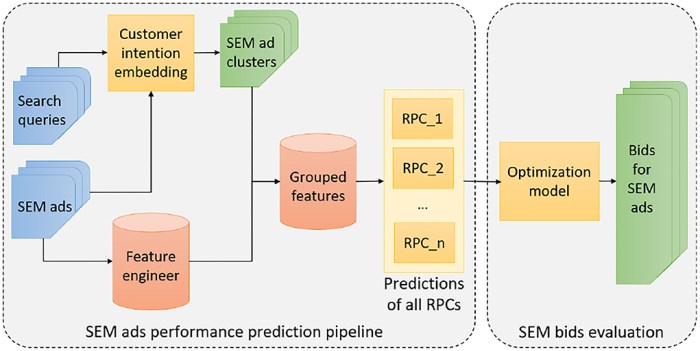
SEM analytics and performance tracking are essential tools in the digital marketing arsenal, offering insights that can dramatically influence campaign success. These metrics help marketers make informed decisions, ensuring that every dollar spent is maximized for optimal return.
Through examining key performance indicators and utilizing advanced tracking tools, businesses can refine their strategies, integrate SEM with broader marketing efforts, and ultimately drive more traffic and conversions.
SEM Analytics Overview
Search Engine Marketing (SEM) analytics is a pivotal component of digital marketing, focusing on collecting and analyzing data related to paid search campaigns. By leveraging SEM analytics, marketers can understand user behavior, gauge the effectiveness of their advertising strategies, and optimize their campaigns for better performance. This understanding is crucial in a competitive landscape where making informed decisions can lead to increased visibility and higher conversion rates.SEM analytics encompasses various metrics that provide insights into the effectiveness of campaigns.
These metrics help in assessing the return on investment (ROI) and overall performance of advertising efforts. Key performance indicators (KPIs) include clicks, impressions, click-through rates (CTR), conversion rates, and cost-per-click (CPC). Each of these metrics plays a distinct role in evaluating how well a campaign is performing and where adjustments might be needed to enhance effectiveness.
Key Metrics in SEM Performance
Understanding the key metrics of SEM performance is essential for marketers aiming to refine their strategies. Each metric offers unique insights into campaign efficiency and audience engagement. The following metrics are fundamental in assessing the performance of SEM campaigns:
- Clicks: The total number of times users have clicked on the ads, indicating interest and engagement.
- Impressions: The total number of times the ad is displayed, providing insight into its visibility.
- Click-Through Rate (CTR): The ratio of clicks to impressions, calculated as (Clicks / Impressions) x 100. A higher CTR often signifies effective ad copy and targeting.
- Conversion Rate: The percentage of clicks that lead to a desired action, such as a purchase or sign-up, calculated as (Conversions / Clicks) x 100. This metric reflects the efficacy of the landing page and overall campaign alignment with user intent.
- Cost-Per-Click (CPC): The amount paid for each click on the ad, calculated as Total Cost / Total Clicks. Monitoring CPC helps in budgeting and optimizing bids for better cost management.
Tools for Tracking SEM Performance
Various tools are available to assist marketers in tracking and analyzing SEM performance. Each tool offers distinct functionalities designed to enhance data collection and campaign analysis. Some of the most reputable tools include:
- Google Ads: A robust platform providing in-depth insights into ad performance, including detailed metrics, budgeting options, and audience targeting capabilities.
- Bing Ads: Similar to Google Ads, this platform offers unique features for managing ads on Bing and Yahoo, with tools for research and performance tracking.
- SEMrush: An all-in-one marketing toolkit that analyzes search data, track ad performance, and conduct competitive research to refine SEM strategies.
- Ahrefs: Primarily known for , Ahrefs also provides valuable data on paid search campaigns, helping marketers assess their ad effectiveness and performance.
- Adobe Analytics: A comprehensive analytics solution that integrates with various marketing channels, offering detailed reporting and insights for SEM campaigns.
Utilizing these tools enables marketers to fine-tune their strategies, ensuring that their SEM efforts yield maximum ROI. By continuously monitoring performance metrics and employing robust analytics tools, businesses can stay ahead of the competition and drive successful outcomes in their digital marketing initiatives.
Integration of SEM with Other Digital Marketing Strategies
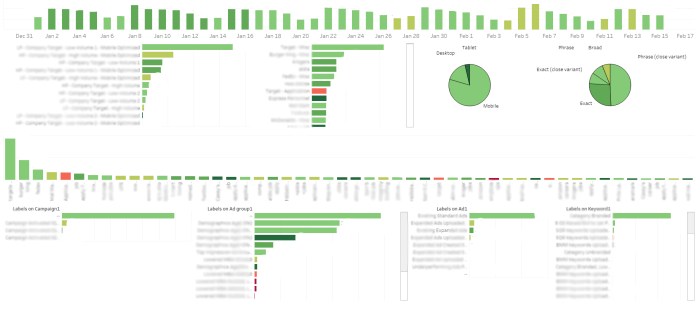
Integrating Search Engine Marketing (SEM) with other digital marketing strategies is essential for maximizing online visibility and user engagement. By leveraging the strengths of various marketing channels, businesses can create a cohesive strategy that drives traffic, enhances brand awareness, and ultimately increases conversions.
Complementing with SEM
Search Engine Optimization () and SEM are two sides of the same coin, working harmoniously to improve a website’s visibility on search engines. While focuses on organically optimizing a site to rank higher in search results, SEM involves paid advertising strategies to achieve immediate visibility. The benefits of their integration are manifold:
- Increased Visibility: Utilizing both and SEM ensures higher SERP coverage, leading to more clicks and potential customers.
- Data-Driven Insights: SEM campaigns can provide immediate feedback on s and user behavior, which can inform strategies for better content targeting.
- Cost Efficiency: By analyzing which s perform best for paid campaigns, businesses can prioritize these in their organic efforts, optimizing resources.
- Brand Credibility: A presence in both organic and paid search results reinforces brand trust, as users often perceive brands that appear multiple times in SERPs as more credible.
The Role of Social Media in Enhancing SEM Efforts
Social media platforms play a significant role in enhancing SEM strategies, offering unique opportunities for audience engagement and brand promotion. By integrating social media into SEM efforts, businesses can leverage their wide reach and interactive nature:
- Extended Reach: Social media campaigns can drive traffic to SEM ads, increasing impressions and clicks.
- User Engagement: Platforms like Facebook and Instagram facilitate direct interaction with potential customers, allowing brands to build relationships and respond to inquiries quickly.
- Audience Targeting: Social media ads can be tailored to specific demographics, ensuring that SEM efforts reach the most relevant audiences.
- Content Sharing: Engaging content shared on social media can lead to organic traffic, further enhancing SEM campaign performance.
Promoting Websites through SEM and Video Marketing Techniques
Incorporating video marketing into SEM strategies can significantly amplify promotion efforts. Video content, due to its engaging nature, tends to capture users’ attention more effectively than static ads. Here are some methods to combine SEM with video marketing:
- Video Ads on Search Engines: Platforms like Google Ads allow businesses to run video ads on YouTube and within search results, providing an interactive experience for users.
- Utilizing Retargeting: Video ads can target users who have previously interacted with the website, reminding them of products or services they showed interest in.
- Engaging Content Creation: Producing informative or entertaining videos can increase user engagement and encourage shares, leading to wider visibility and better SEM results.
- Analytics for Optimization: Tracking video ad performance through SEM platforms provides valuable insights, allowing marketers to refine strategies for better engagement and conversion rates.
Best Practices for Performance Tracking in SEM
Effective performance tracking in Search Engine Marketing (SEM) is crucial for optimizing campaigns and maximizing return on investment (ROI). By implementing best practices, marketers can ensure they are making informed decisions based on solid data, ultimately leading to improved campaign performance and strategic insights.Establishing a comprehensive framework for tracking SEM campaigns allows marketers to monitor key performance metrics effectively. By comparing results across various platforms, it becomes easier to identify trends, allocate budgets efficiently, and refine strategies accordingly.
Below are some effective strategies for monitoring SEM campaigns.
Effective Strategies for Monitoring SEM Campaigns
To ensure successful tracking of SEM campaigns, the following strategies should be employed:
- Utilize Conversion Tracking: Implementing conversion tracking through tools like Google Ads or Google Analytics provides insights into how many users complete desired actions after clicking on your ads. This can include purchases, sign-ups, or inquiries.
- Set Up Regular Reporting: Developing a routine for reporting can help in consistently analyzing campaign performance. Weekly or monthly reports can highlight trends and anomalies that require immediate attention.
- Leverage A/B Testing: Running A/B tests on different ad copies, s, and landing pages allows marketers to determine which variations yield the best results. This iterative approach can lead to significant performance improvements over time.
- Monitor Quality Scores: Keeping an eye on quality scores for s ensures that ads remain relevant and cost-effective. High-quality scores can lower CPC (cost per click) and improve ad placements.
Framework for Comparing SEM Results Across Different Platforms
Creating a structured framework for comparison helps in understanding how different platforms perform against each other. This clarity allows marketers to allocate resources more effectively. Focus on the following components:
Platform Selection
Identify the platforms where your SEM campaigns are running, such as Google Ads, Bing Ads, or social media platforms.
Metric Standardization
Establish consistent metrics across all platforms for a fair comparison. Metrics may include CTR (click-through rate), CPC (cost per click), conversion rates, and overall ROI.
Visual Representation
Use tables or graphs to visually compare performance metrics, aiding in quick and effective decision-making.Here’s an illustrative table showing the relationship between SEM strategies and performance outcomes:
| SEM Strategy | Target Outcome | Performance Metric |
|---|---|---|
| Optimization | Increased Traffic | CTR, Impressions |
| Ad Copy Testing | Higher Engagement | Click Rate, Bounce Rate |
| Landing Page Optimization | Improved Conversions | Conversion Rate, Cost Per Acquisition |
| Remarketing Campaigns | Boosted Retention | Return Visitor Rate, Repeat Conversions |
Implementing these best practices not only enhances tracking capabilities but also drives better strategic decisions, fostering a culture of continuous improvement in SEM efforts.
End of Discussion
In conclusion, mastering SEM analytics and performance tracking not only enhances your marketing effectiveness but also paves the way for innovative strategies that can set your brand apart. As the digital landscape continues to evolve, staying ahead with these insights will ensure your campaigns shine in an ever-competitive environment.
FAQ Section
What is SEM analytics?
SEM analytics involves tracking and analyzing data related to search engine marketing campaigns to evaluate their performance and effectiveness.
Why is performance tracking important in SEM?
Performance tracking allows marketers to assess the success of their campaigns, identify areas for improvement, and optimize spending for better results.
What metrics are commonly used in SEM performance tracking?
Common metrics include click-through rates (CTR), conversion rates, cost per click (CPC), and return on ad spend (ROAS).
How can SEM be integrated with ?
SEM can complement by using paid search insights to inform organic strategies, leading to improved visibility and overall search performance.
What tools are recommended for SEM performance tracking?
Popular tools include Google Ads, SEMrush, and Moz, which provide various functionalities for monitoring and optimizing SEM campaigns.