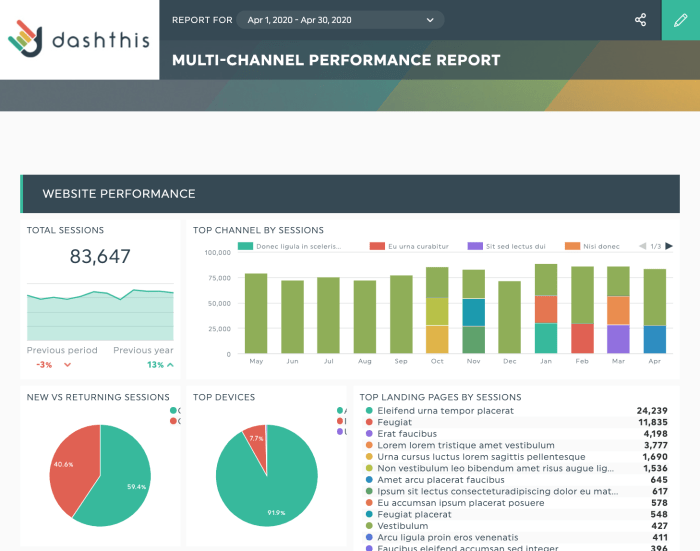
Video marketing KPIs to track is crucial for any business looking to make an impact in the digital landscape. With the rise of video content consumption, understanding key performance indicators can significantly enhance your marketing strategies and drive engagement.
By delving into the essential metrics, businesses can better gauge their video’s effectiveness, optimize their campaigns, and ultimately achieve their marketing goals. This exploration will highlight the importance of tracking video engagement metrics and how they can influence overall strategy.
Video Marketing KPIs Overview
In the fast-evolving world of digital marketing, video has emerged as a pivotal tool for engaging audiences and driving conversions. Understanding the key performance indicators (KPIs) associated with video marketing is essential for marketers looking to optimize their strategies and measure their success effectively. These KPIs provide valuable insights into how video content is performing and how it influences overall marketing efforts.Tracking video marketing KPIs not only helps in assessing the effectiveness of video campaigns but also informs broader marketing strategies.
By analyzing these metrics, businesses can refine their content, target specific audiences more effectively, and ultimately improve their return on investment (ROI). The impact of these KPIs extends beyond individual videos, shaping overall marketing tactics and decision-making processes.
Essential Video Marketing KPIs
To ensure effective video marketing, several KPIs must be monitored. These metrics highlight audience behavior and content performance. The following are some of the most critical KPIs that should be tracked:
- View Count: This metric indicates how many times a video has been viewed. It serves as a basic measure of reach and popularity.
- Watch Time: The total time viewers spend watching a video. A higher watch time suggests engaging content and can impact video ranking on platforms like YouTube.
- Engagement Rate: This includes likes, comments, shares, and clicks. A higher engagement rate typically signifies that the audience finds the video relevant and compelling.
- Click-Through Rate (CTR): The percentage of viewers who click on a call to action (CTA) in the video. This KPI measures how effectively the video drives viewers to take the desired action.
- Conversion Rate: The percentage of viewers who complete a desired action after watching the video, such as signing up for a newsletter or making a purchase.
Tracking these KPIs provides actionable insights into audience preferences and content effectiveness. For example, if a video has a high view count but low engagement, it may indicate that the content is not resonating with the audience, prompting a review of the video’s message or format.
“The true power of video marketing lies in understanding the metrics that drive success and using them to inform future strategies.”
Impact of KPIs on Marketing Strategies
The role of video marketing KPIs extends into broader marketing strategies, directly influencing content planning and audience engagement tactics. By consistently monitoring these metrics, marketers can identify trends and patterns that inform their approach.For instance, analyzing watch time and engagement rates can reveal which content topics resonate the most with the target audience. This information can guide future video production, ensuring that marketing efforts are aligned with viewer interests.
Additionally, understanding CTR and conversion rates can help in refining CTAs and optimizing landing pages for better performance.In practical terms, a company that discovers through KPI analysis that tutorials generate higher engagement can pivot its content strategy to focus more on educational videos. This shift not only enhances viewer satisfaction but can also lead to increased loyalty and customer retention.In summary, the strategic use of video marketing KPIs is crucial for driving growth and achieving business objectives.
By leveraging these metrics, marketers can develop more effective and targeted video content, ultimately leading to improved marketing success.
Measuring Engagement and Performance
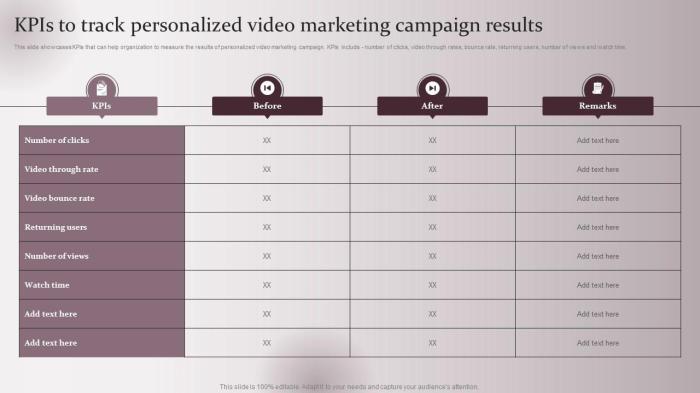
Understanding how to measure engagement and performance in video marketing is essential for optimizing your campaigns. Engaging videos not only capture attention but also drive conversions, making it vital to track specific key performance indicators (KPIs). By analyzing these metrics, businesses can refine their strategies and enhance viewer satisfaction.
Calculating Viewer Retention Rates
Viewer retention rate is a crucial metric that indicates how well your video keeps the audience engaged over time. It can be calculated using the following formula:
Viewer Retention Rate = (Total Watch Time of the Video / Total Length of the Video) x 100
To effectively calculate viewer retention rates, consider the following methods:
Utilize Video Analytics Tools
Platforms like YouTube and Vimeo offer built-in analytics that provide insights into viewer retention at different timestamps in your videos, revealing where viewers drop off.
Segment Analysis
Analyze retention by segments, assessing how different demographics engage with your content. This can highlight which segments resonate most with your audience.
A/B Testing
Experiment with various content styles and lengths to compare retention rates, allowing for data-driven decisions about what works best for your audience.
Analyzing Click-Through Rates (CTR) for Video Campaigns
Click-Through Rate (CTR) is a key indicator of how effectively your video prompts viewers to take action, such as clicking on a call-to-action (CTA) button. To analyze CTR for your video campaigns, follow these guidelines:
CTR Calculation
Use the formula below to calculate your CTR:
CTR = (Total Clicks on CTA / Total Impressions) x 100
Evaluate Different Platforms
Different video marketing platforms may provide varying CTRs. Analyze the performance on each to identify which channels yield the best results.
Enhance Your Video CTAs
Test different CTAs within your videos, including placement, wording, and design, to see which options drive higher CTRs. This experimentation can lead to significant improvements in viewer action.
Benchmarking Video Performance Against Industry Standards
Benchmarking your video performance against industry standards provides valuable context for your results. Here are important steps to effectively benchmark:
Research Industry Averages
Gather data from credible sources to find the average viewer retention rates and CTRs for your specific niche. For example, the average CTR for video ads in the retail industry is around 1.84%, while in the technology sector, it may be higher, around 2.38%.
Set Realistic Goals
Use industry benchmarks to set achievable performance goals. Aim to exceed these benchmarks gradually, aligning your objectives with realistic expectations grounded in industry data.
Analyze Competitor Performance
Keep an eye on how your competitors’ videos perform. Tools like SEMrush or Social Blade can provide insights into their engagement metrics, allowing you to adjust your strategy accordingly.By measuring engagement effectively and comparing your performance against industry standards, you can refine your video marketing strategies, ensuring your content resonates with viewers and drives desired actions.
Tools and Techniques for Tracking KPIs
In the dynamic landscape of video marketing, choosing the right tools and techniques for tracking your KPIs is essential for success. With various analytics platforms available, understanding which ones provide the most value can significantly impact your marketing strategy. This section delves into popular tools and effective techniques that can help marketers accurately measure their video performance.
Popular Tools for Measuring Video Marketing KPIs
Using the right tools can streamline the process of tracking video marketing KPIs, offering insights that are critical for refining strategies. Below are some widely-used platforms along with their core features:
- Google Analytics: A robust tool that can track user engagement, traffic sources, and conversion rates across video content.
- TubeBuddy: Ideal for YouTube creators, this tool provides insights into video performance, optimization, and audience engagement metrics.
- Vidyard: A video hosting platform that offers detailed analytics, including heatmaps for viewer engagement and viewer demographics.
- Wistia: Tailored for businesses, Wistia provides in-depth video analytics, lead generation tools, and integrations for marketing automation.
- Vimeo Analytics: Offers insights into viewer behavior and engagement, allowing users to track how videos perform on their platform.
Effective Techniques for Real-Time Tracking and Reporting
Real-time tracking can provide immediate insights into how video content is performing, enabling marketers to adjust strategies promptly. Implementing these techniques ensures that KPIs are monitored effectively:
- Dashboards: Create customized dashboards using tools like Google Data Studio or Tableau to visualize real-time data at a glance.
- Alerts: Set up alerts for significant metric changes to respond quickly to fluctuations in viewer engagement or drop-off rates.
- Live Reporting: Utilize live reporting features provided by platforms like Vidyard to keep stakeholders updated on video performance during campaigns.
- API Integrations: Leverage API tools to integrate data from various platforms for a comprehensive view of your video marketing performance.
Comparison of Top Video Analytics Platforms
When considering which platform to use for measuring video marketing KPIs, it’s helpful to compare their features and pricing. Below is a comparison table that Artikels key aspects of some leading video analytics tools:
| Platform | Core Features | Pricing |
|---|---|---|
| Google Analytics | Traffic analysis, audience insights, conversion tracking | Free with premium options |
| TubeBuddy | YouTube optimization, tracking, analytics | Starting at $9/month |
| Vidyard | Video hosting, heatmaps, lead capture | Free tier available; paid plans start at $15/month |
| Wistia | Video marketing tools, detailed analytics, integrations | Starting at $99/month |
| Vimeo Analytics | Viewer insights, engagement metrics, customizable player | Free with basic features; Pro plans start at $20/month |
“Choosing the right video analytics platform can transform your video marketing strategy and enhance engagement.”
Last Word
In summary, effectively tracking video marketing KPIs can transform your approach to content creation and audience engagement. By understanding and utilizing these metrics, businesses can refine their strategies, ensuring they resonate with their target audience and drive tangible results.
Clarifying Questions
What are the most important video marketing KPIs?
The most important KPIs include viewer retention rates, click-through rates (CTR), and engagement metrics such as likes, shares, and comments.
How can I improve my video engagement?
Improving video engagement can be achieved by focusing on quality content, optimizing video length, and using compelling calls to action.
Why is benchmarking video performance important?
Benchmarking allows you to compare your video’s performance against industry standards, helping to identify areas for improvement and set realistic goals.
What tools can I use to track video KPIs?
Popular tools include Google Analytics, YouTube Analytics, and specialized video analytics platforms like Wistia and Vidyard.
How often should I review my video marketing KPIs?
It’s recommended to review your video marketing KPIs regularly, ideally after each campaign, to assess performance and adjust strategies accordingly.