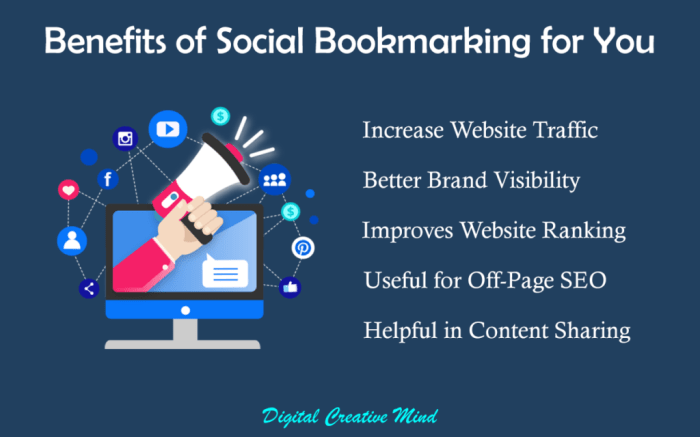
Social bookmarking for bloggers boosting visibility and traffic

Social bookmarking for bloggers

Social bookmarking for bloggers opens the door to a world of enhanced visibility and engagement. It’s more than just saving links; it’s about connecting with a community that values your content. By leveraging social bookmarking, bloggers can amplify their reach and draw in a diverse audience eager to explore their posts.

Understanding the key concepts behind social bookmarking can significantly benefit bloggers. From increasing blog traffic to integrating powerful online strategies, mastering this tool can transform how content is shared and discovered on the web.

Understanding Social Bookmarking
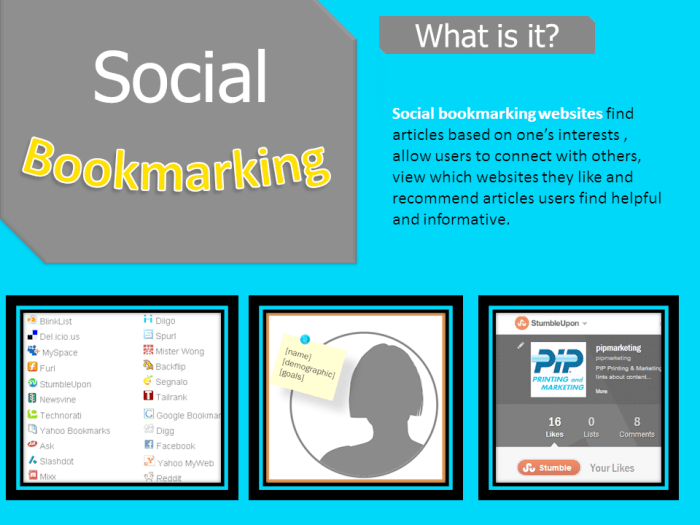
Social bookmarking for bloggers

Social bookmarking is a method of saving and organizing web pages that users find valuable by tagging them with relevant s. This practice enables bloggers and content creators to share their favorite online resources with a wider audience. Its significance lies in the ability to enhance blog visibility, foster community engagement, and drive traffic to individual blogs.When bloggers effectively leverage social bookmarking platforms, they can significantly enhance their online presence.

Utilizing these platforms involves creating engaging content that resonates with readers, selecting appropriate tags to ensure discoverability, and actively participating in social bookmarking communities. Sharing blog posts on platforms like Reddit, Digg, or StumbleUpon can introduce content to new audiences, especially if posts are tagged with popular s relevant to the target demographic.

Methods to Utilize Social Bookmarking Platforms

Employing social bookmarking can be strategic in boosting blog visibility. Here are key methods to maximize the impact of social bookmarking:

  • Selecting the Right Platforms: Different platforms cater to diverse audiences and content types. For instance, Pinterest works wonders for visually appealing blogs, while Reddit excels with niche content.
  • Engagement with the Community: Interacting with users on these platforms can lead to higher visibility. Commenting, sharing, and discussing relevant topics builds credibility and strengthens relationships.
  • Use of Relevant Tags: Tags act as s that help categorize content. Selecting popular and relevant tags increases the likelihood of being discovered by users searching for those terms.
  • Consistent Posting: Regularly sharing blog posts keeps content fresh and encourages ongoing engagement from followers. Consistency builds a loyal audience base.
  • Creating High-Quality Content: Content that is informative, entertaining, or visually appealing is more likely to be shared. High-quality posts resonate with audiences and encourage sharing within their networks.

Benefits of Social Bookmarking in Driving Traffic

Social bookmarking offers several advantages for bloggers looking to increase their blog traffic. The benefits include:

  • Increased Exposure: By sharing blog posts on bookmarking sites, content reaches a broader audience, leading to more views and potential followers.
  • Referral Traffic Generation: Users who discover content through bookmarks often visit the original blog, resulting in valuable referral traffic that can boost overall site metrics.
  • Benefits: High-quality backlinks from social bookmarking can improve search engine rankings, making it easier for users to find the blog through search engines.
  • Community Building: Active participation in bookmarking communities fosters relationships with other bloggers and readers, creating a supportive network that can further promote content.
  • Insights and Analytics: Many social bookmarking platforms provide analytics tools that help bloggers track engagement and traffic, allowing for data-driven adjustments to content strategies.

Integrating Social Bookmarking with Other Online Strategies

Social bookmarking has become a vital component of a comprehensive online marketing strategy. By allowing users to save, organize, and share links to their favorite web pages, social bookmarking sites facilitate increased visibility and engagement. This integration with other online strategies can enhance a blogger’s reach and effectiveness, particularly when combined with search engine marketing and social media practices.Social bookmarking serves as a powerful complement to search engine marketing (SEM) tactics.

When web pages are bookmarked and shared on popular social bookmarking platforms, they create backlinks that can positively impact search engine rankings. This, in turn, drives more organic traffic to the site. Moreover, the social sharing of content can promote rapid indexing by search engines, leading to quicker visibility and engagement of new content.

Role of Social Bookmarking in Site Promotion Efforts

Utilizing social bookmarking effectively can significantly enhance site promotion efforts. By sharing valuable content through bookmarks, bloggers can reach wider audiences. When people find content through shared bookmarks, it often increases the likelihood of them sharing it further, creating a ripple effect of promotion.

  • Social bookmarking helps in building a community around your content, as users who bookmark and share can engage with your brand.
  • It provides analytics that can track how many times your content has been saved or shared, offering valuable insights into audience preferences and trends.
  • Bookmarking increases the lifespan of your content by allowing it to be discovered long after it was originally published.

Linking Social Bookmarking with Social Media and Networking Practices

Integrating social bookmarking with social media creates a synergistic effect that enhances discoverability and audience engagement. Both strategies complement each other, allowing for a more holistic approach to content promotion. To effectively link social bookmarking with social media practices, consider the following steps:

  • Share bookmarked content across your social media platforms to increase visibility and traffic. For instance, when you post a new blog entry, bookmark it on platforms like Reddit or Digg and share that bookmark on Twitter or Facebook.
  • Encourage your audience to bookmark your posts. This can be done by including social bookmarking buttons on your website, making it easier for visitors to share your content.
  • Engage with communities on social bookmarking sites by commenting and sharing others’ content, which can lead to reciprocal interactions and further exposure for your own links.

Incorporating these practices creates a robust strategy where social bookmarking and social media work hand in hand to drive traffic, enhance brand visibility, and build an engaged community around your content.

Leveraging Social Bookmarking for and Security

Social bookmarking for bloggers

Social bookmarking serves as a valuable tool for bloggers, not only for content discovery and sharing but also for enhancing search engine optimization () and maintaining internet security. Understanding how to navigate this landscape can significantly influence a blog’s visibility and credibility.The connection between social bookmarking and internet security is essential in today’s digital landscape. Utilizing reputable social bookmarking sites can help mitigate risks associated with data breaches and phishing attempts.

When bloggers share their content on established platforms, they benefit from the site’s security measures, which often include encryption and user verification. This ensures that both the content and the users are protected from malicious activities. Additionally, these platforms may have moderation policies to prevent the dissemination of harmful links, offering an extra layer of trust.

Impact of Social Bookmarking on Outcomes

Social bookmarking can have a notable impact on outcomes, enhancing visibility and driving traffic to blogs. The following points illustrate how social bookmarking influences :

  • Increased Backlinks: When users bookmark and share your content, it can lead to more backlinks, which search engines view as a vote of confidence in the content’s quality.
  • Improved Indexing: Search engines often crawl social bookmarking sites. By submitting your content to these platforms, you can improve the chances of your blog being indexed faster.
  • Higher Referral Traffic: Social bookmarking can generate significant referral traffic as users discover your content through these platforms, increasing overall audience engagement.

Social bookmarking not only enhances visibility but also establishes authority in the niche, contributing positively to rankings.

Preventing Spam on Social Bookmarking Sites

Spam can be a significant issue on social bookmarking sites, which can dilute the quality of interactions and undermine user trust. To maintain the integrity of your bookmarking efforts, consider the following methods to prevent spam:

  • Choose Reputable Platforms: Engage with well-known social bookmarking sites that have stringent anti-spam policies in place.
  • Enhance Content Quality: Ensure that the content shared is original and valuable, which encourages genuine engagement and discourages spammy behavior.
  • Monitor Engagement: Regularly check for spammy comments or bookmarks on your submissions and report them to maintain the site’s quality.
  • Utilize User Verification Features: Some platforms offer user verification processes that can help identify legitimate users versus bots, reducing spam risk.

Maintaining high-quality interactions not only improves user experience but also strengthens your blog’s reputation in the online community.

Ultimate Conclusion

In conclusion, social bookmarking offers bloggers a strategic advantage in their quest for visibility and audience engagement. By effectively utilizing these platforms and integrating them with other promotional efforts, bloggers can not only enhance their presence online but also foster a loyal readership. The journey doesn’t end here; with the right approach, the possibilities are endless.

Detailed FAQs

What is social bookmarking?

Social bookmarking is a method for internet users to organize, store, and manage links to various resources on the web, allowing them to easily share their favorite content.

How can social bookmarking improve my blog’s traffic?

By sharing your blog posts on social bookmarking sites, you can reach a wider audience, enhancing visibility and potentially driving more traffic back to your blog.

Are there best practices for using social bookmarking?

Yes, best practices include choosing relevant platforms, engaging with the community, and regularly updating your bookmarks to keep your content fresh and visible.

How does social bookmarking relate to ?

Social bookmarking can positively influence by generating backlinks, increasing referral traffic, and enhancing content discoverability through shared links.

Can social bookmarking help prevent spam?

While social bookmarking sites have measures to reduce spam, it’s crucial to engage authentically and only share quality content to maintain a good reputation within the community.


Image SEO and visual search trends explained clearly

Image SEO and visual search trends

Beginning with Image and visual search trends, this narrative unfolds in a compelling and distinctive manner, drawing readers into a story that promises to be both engaging and uniquely memorable.

In today’s digital landscape, optimizing images for search engines is crucial for driving traffic and enhancing user experience. By understanding the various aspects of image , such as alt text, file formats, and loading speeds, businesses can significantly improve their online visibility and engagement. Meanwhile, as visual search technologies become more sophisticated, they offer exciting new ways for users to interact with content, making it imperative for marketers to stay updated with these evolving trends.

Understanding Image

Image SEO and visual search trends

Optimizing images for search engines is a crucial aspect of website performance and user experience. In an era where visual content dominates online interactions, understanding how to effectively optimize images can significantly enhance visibility, drive traffic, and improve engagement on a website. By focusing on image , businesses can leverage the power of visuals to attract and retain visitors, ultimately translating into higher conversion rates.Images contribute to the overall user experience and play a pivotal role in strategies.

Search engines like Google utilize image optimization to understand the content and context of a webpage, which can improve rankings in image search results and organic search results. Here are key methods to enhance image descriptions and alt text, as well as insights on how file formats and sizes impact loading speed and .

Enhancing Image Descriptions and Alt Text

Alt text and image descriptions serve as a bridge between visual content and search engine algorithms. Alt text provides a textual alternative for images, which is essential for web accessibility and helps search engines index images appropriately.To optimize alt text effectively, consider the following best practices:

  • Be Descriptive: Clearly describe the image content, including relevant s without stuffing. For instance, instead of “dog,” use “Golden Retriever playing fetch in the park.”
  • Keep It Concise: Aim for around 125 characters, as screen readers typically cut off longer descriptions.
  • Contextual Relevance: Ensure the alt text is relevant to the surrounding content, providing context for users and aiding .

In addition to alt text, detailed image descriptions can provide context and enhance user engagement. Incorporating s naturally and writing engaging descriptions can further help in optimizing images for search engines.

Impact of File Formats and Sizes on Loading Speed and

The choice of file formats and sizes for images significantly affects website loading speed, which is a critical factor for . Search engines prioritize fast-loading websites, as slow speeds can lead to high bounce rates and diminished user experience.Key considerations for file formats include:

  • JPEG: Ideal for photographic images due to its balance of quality and low file size. However, ensure compression is done without significant quality loss.
  • PNG: Best for images needing transparency. While higher quality, they typically have larger file sizes, so use them judiciously.
  • WebP: A modern format that provides excellent compression while maintaining quality, making it a great choice for improving page load speeds.

Regarding image sizes, larger images can drastically slow down page loading. Therefore, it is essential to:

  • Resize Images: Before uploading, adjust dimensions to fit the display requirements without sacrificing visual quality.
  • Use Compression Tools: Implement tools or plugins to compress images without losing quality, which can enhance loading speed significantly.

By implementing these strategies, websites can improve their loading speeds, enhance performance, and provide a better overall user experience.

Visual Search Trends

The landscape of search technology has been undergoing significant transformation, particularly with the rise of visual search capabilities. As consumers increasingly turn to images rather than text for their online queries, understanding the implications of these trends becomes essential for businesses aiming to stay competitive. This shift not only alters how users seek information but also influences how brands interact with their audience.Visual search technologies utilize advanced algorithms and machine learning to identify objects within images, allowing users to search using photos instead of traditional text-based queries.

This innovation marks a departure from conventional search methods, where s primarily dictate search results. By analyzing the visual elements within an image, visual search can deliver more relevant and contextually appropriate results. For instance, if a user uploads a picture of a stylish jacket, visual search can identify similar products across various online retailers, streamlining the shopping experience.

Comparison of Traditional Search Methods and Visual Search Functionalities

The evolution from traditional text-based search to visual search offers distinct advantages and challenges. Traditional search methods rely heavily on matching, which can sometimes lead to irrelevant results if the chosen s do not perfectly align with the content indexed by search engines. In contrast, visual search leverages image recognition technology to analyze the content of a photo, leading to more intuitive and user-friendly search experiences.Visual search is particularly beneficial in industries such as fashion and home decor, where aesthetics play a critical role in consumer decisions.

For example, users can find exact or similar items based on images they encounter on social media or other platforms. This functionality enhances user experience by eliminating the need for precise wording and capitalizing on the visual aspects that attract consumers.The implications of visual search on online marketing strategies are profound. Brands must optimize their visual content to be easily discoverable through visual search technologies.

This involves implementing strategies such as:

  • Image Optimization: Ensure all images are high-quality, properly tagged, and accompanied by relevant metadata to improve visibility in visual search engines.
  • Utilization of User-Generated Content: Encourage customers to share images of their products in use, which can enhance authenticity and visibility through visual search.
  • Integration with Social Media: Leverage platforms that support visual search capabilities, ensuring that branding and imagery are consistent across channels.
  • Adapting E-commerce Strategies: Create visually appealing product pages and consider implementing visual search functionalities on retail websites to cater to the evolving preferences of consumers.

The impact of visual search extends beyond individual businesses; it reshapes consumer expectations and behaviors. As users become accustomed to quick, image-based results, brands must adapt their marketing efforts accordingly to maintain engagement and relevance in a visually driven digital environment. Staying ahead of these trends will be crucial for any business looking to thrive in the current market landscape.

Integrating with Other Digital Marketing Strategies

In the rapidly evolving digital marketing landscape, integrating image into broader marketing strategies is essential for maximizing visibility and driving engagement. Image not only enhances searchability but also complements other digital marketing efforts, creating a cohesive strategy that can significantly improve overall performance.

Role of Image in Search Engine Marketing Campaigns

Image plays a critical role in enhancing search engine marketing (SEM) campaigns. By optimizing images, businesses can improve their visibility across search engines, attracting more organic traffic. The integration of image can lead to better ad performance, higher click-through rates (CTR), and improved user experience. Here are some ways image contributes to SEM campaigns:

  • Boosting Organic Visibility: Optimized images appear in image search results and can drive traffic from users specifically searching for visual content.
  • Enhancing Ad Quality Scores: High-quality, optimized images can improve the quality scores of paid search ads, resulting in lower costs and better positioning.
  • Supporting Content Strategy: Visuals enhance blog posts and landing pages, making content more engaging and shareable, which contributes to link building and brand awareness.

Utilization of Visual Content on Social Media Platforms

Social media platforms thrive on visual content, making image a powerful tool for promotion. Engaging visuals can capture attention in busy feeds and significantly increase shareability. The strategic use of images can lead to greater audience interaction and brand recognition. Key aspects of how social media utilizes visual content include:

  • Higher Engagement Rates: Posts with images generally receive higher engagement rates compared to text-only posts, fostering interaction and shares.
  • Brand Storytelling: Visuals enable brands to convey messages and tell stories effectively, creating emotional connections with their audience.
  • Platform-Specific Optimization: Each platform has unique requirements for image dimensions and formats, making it crucial to optimize images accordingly for better performance.

Incorporating Image into Web Design and Development Projects

When developing websites, incorporating image should be a fundamental aspect of the design process. Proper planning and execution can lead to enhanced user experience and improved performance. Consider the following strategies when integrating image into web design and development:

  • Use Descriptive File Names: Instead of generic names, use descriptive file names that include relevant s to enhance searchability.
  • Optimize Image Alt Text: Crafting meaningful alt text helps search engines understand the content of the image while also providing context for visually impaired users.
  • Implement Proper Image Compression: To balance quality and load speed, utilize image compression tools that minimize file sizes without sacrificing visual fidelity.
  • Responsive Design Techniques: Ensure images are responsive and adapt to different screen sizes, enhancing user experience on mobile devices.

“Optimized images not only improve search visibility but also enhance user experience, leading to better conversion rates.”

Last Word

Image SEO and visual search trends

In conclusion, the integration of Image with visual search trends is not just an option but a necessity for modern digital marketing strategies. By embracing these elements, businesses can elevate their online presence and effectively capture their audience’s attention. As we continue to explore the dynamic nature of search technologies, staying informed and adaptable will be key to thriving in the competitive digital space.

FAQs

Why is Image important?

Image is important because it helps improve search engine rankings, enhances user experience, and drives organic traffic to websites.

How can I optimize my images for ?

You can optimize images by using descriptive file names, adding alt text, compressing images for faster loading, and choosing the right file formats.

What are the current trends in visual search?

Current trends in visual search include the use of AI and machine learning for better image recognition, increased mobile usage, and the integration of visual search capabilities in e-commerce platforms.

How does visual search impact online marketing?

Visual search impacts online marketing by changing the way consumers discover products, leading to more visual content creation and a focus on high-quality imagery.

What role does social media play in image ?

Social media plays a significant role in image as platforms prioritize visual content, allowing brands to reach wider audiences through engaging images and videos.